European alternatives to Time Doctor
Time Doctor is an employee monitoring platform first and a time tracker second — if you're looking to replace it, you're almost certainly doing so because someone on your team pushed back on the surveillance, or because you've decided that level of oversight isn't the culture you want to run.
Time Doctor's core selling point is visibility into what employees are doing: screenshots, website and app monitoring, activity rates, distraction alerts. That's useful in specific contexts — outsourcing operations, contact centres, compliance-heavy environments where you genuinely need an audit trail of working hours. But for most European SMEs and remote-first teams, it creates more problems than it solves. Employees object to it, trust breaks down, and the GDPR implications of screenshot capture and keystroke-level monitoring require careful DPA review — it's not the kind of tool you deploy casually and stay compliant.
European works council law adds another layer. In Germany, Austria, and the Netherlands in particular, introducing monitoring software without worker representative approval is a real legal risk, not a technicality. Time Doctor's monitoring depth is precisely what triggers those consultation requirements. Many companies discover this after deployment, not before — and the decision to switch comes packaged with a broader rethink of what they actually need from a time-tracking tool.
There's also a practical dimension: most EU SMEs buying Time Doctor wanted time tracking and project reporting, not surveillance. They bought a monitoring tool because it happened to do time tracking too, or because a manager wanted the accountability it implied. Once the friction with staff becomes apparent, the question shifts to: what's the least invasive tool that still gives us accurate, trustworthy time data?
Find the alternatives that fit your requirements
Match only fields with a recorded source review. Read each product’s evidence for the exact scope; a self-hosted option does not establish an EU location.
17 alternatives available — select a requirement to narrow the list.
Where each alternative is built, owned and hosted
Read the billing unit, deployment scope and supporting evidence. Missing documentation is not a negative finding. On small screens, scroll the table sideways.
| Product | Pricing and billing unit | Data and deployment scope | Self-hosting / Source code |
|---|---|---|---|
| ClockodoView evidence → | Catalog information: FreemiumNot documented here | Not documented here | Self-hosting Not documented hereSource code Not documented here |
| DeskTimeView evidence → | Catalog information: FreemiumNot documented here | Not documented here | Self-hosting Not documented hereSource code Not documented here |
| EARLYView evidence → | Catalog information: FreemiumNot documented here | Not documented here | Self-hosting Not documented hereSource code Not documented here |
| KimaiView evidence → | Open source for self-hosting. Cloud Standard: EUR 3.99/user/month billed monthly; EUR 2.99 billed annually. View evidence · 2026-10-18 | Self-hosting: choose and operate your environment. Kimai Cloud documents hosting in Germany. View evidence · 2026-10-18 | Self-hosting Self-hosted Kimai core 2.69.0 was run in our disposable local test. This establishes the tested installation and correction/export workflow, not the managed cloud service. View evidence · 2026-10-18Source code Kimai publishes its core source code and a self-hosted installation route. Check separate terms for extensions and cloud services. View evidence · 2026-10-19 |
| MemtimeView evidence → | Catalog information: FreemiumNot documented here | Not documented here | Self-hosting Not documented hereSource code Not documented here |
| PaymoView evidence → | Catalog information: FreemiumNot documented here | Not documented here | Self-hosting Not documented hereSource code Not documented here |
| SolidtimeView evidence → | Catalog information: FreemiumNot documented here | Not documented here | Self-hosting We ran the public Solidtime 0.22.0 Docker image locally with PostgreSQL 15. A correction from 60 to 45 minutes survived in detailed CSV. Cloud and paid invoicing were outside scope. View evidence · 2026-10-19Source code The public v0.22.0 repository includes the GNU AGPL version 3 licence. Paid on-premise features have separate terms; the open-source licence does not establish availability of every paid feature. View evidence · 2026-10-19 |
| Tidby the founderView evidence → | Catalog information: PaidNot documented here | Not documented here | Self-hosting Not documented hereSource code Not documented here |
| timeBuzzerView evidence → | Catalog information: FreemiumNot documented here | Not documented here | Self-hosting Not documented hereSource code Not documented here |
| TimelyView evidence → | Starter: USD 11/user/month, up to five people and 20 projects. Premium: USD 20/user/month with monthly billing. View evidence · 2026-10-18 | Timely describes EU AWS storage for customer data and a private activity timeline, alongside possible international transfers and support access. Check connected integrations separately. View evidence · 2026-10-18 | Self-hosting Not documented hereSource code Not documented here |
| TimeStatementView evidence → | Catalog information: FreemiumNot documented here | Not documented here | Self-hosting Not documented hereSource code Not documented here |
| TimeTacView evidence → | Catalog information: PaidNot documented here | Not documented here | Self-hosting Not documented hereSource code Not documented here |
| TimingView evidence → | Catalog information: FreemiumNot documented here | Not documented here | Self-hosting Not documented hereSource code Not documented here |
| timrView evidence → | Catalog information: FreemiumNot documented here | Not documented here | Self-hosting Not documented hereSource code Not documented here |
| Toggl TrackView evidence → | Catalog information: FreemiumNot documented here | Not documented here | Self-hosting Not documented hereSource code Not documented here |
| TymeView evidence → | Catalog information: FreemiumNot documented here | Not documented here | Self-hosting Not documented hereSource code Not documented here |
| ZEPView evidence → | Catalog information: FreemiumNot documented here | Not documented here | Self-hosting Not documented hereSource code Not documented here |
Clockodo
deGerman-built time tracking and project management for teams and freelancers
- Catalog information
DeskTime
lvEuropean time tracking platform combining automatic activity monitoring with GDPR-native privacy.
- Catalog information
EARLY
atTime tracking that doesn't make you want to cry.
- Catalog information
Kimai
atOpen-source time tracking you can run yourself or use as a paid cloud service.
- View evidence
- Self-hostable
- Open source
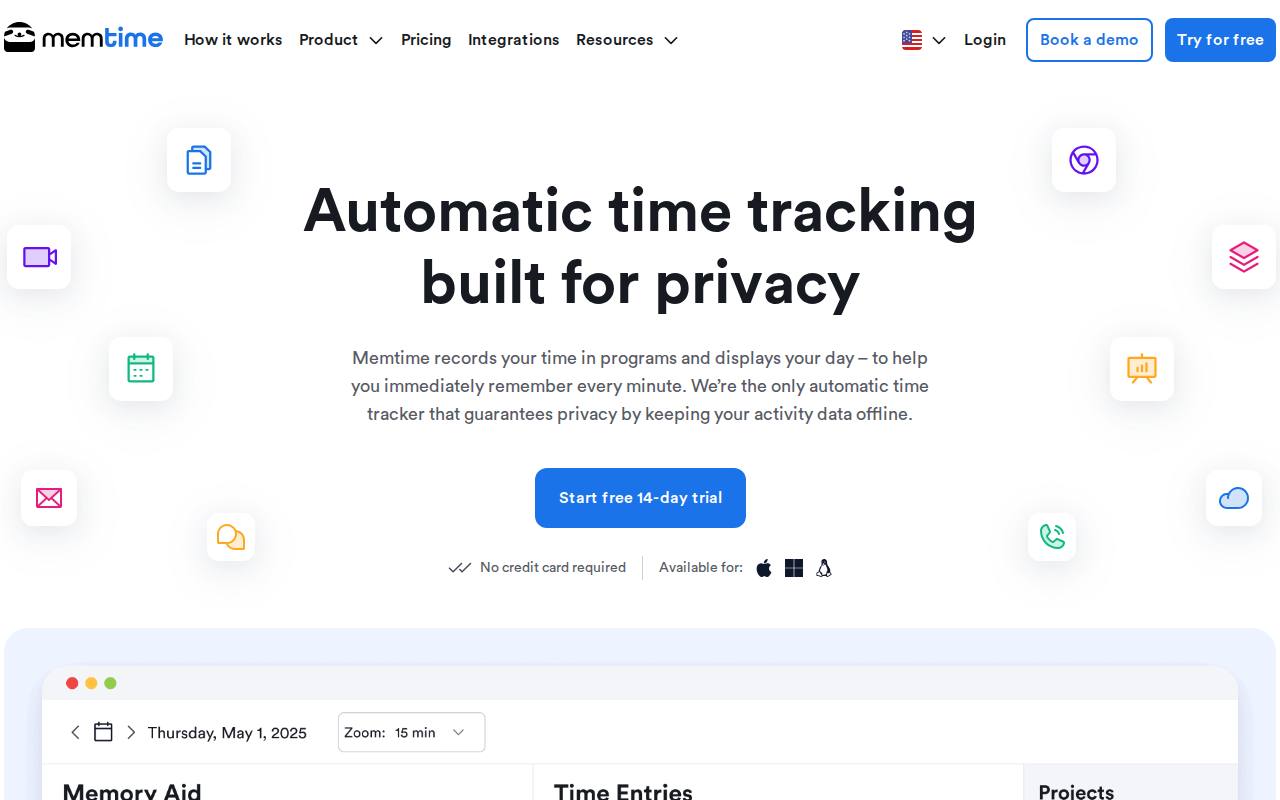
Memtime
dePrivacy-first automatic time tracking where all data stays on your device.
- Catalog information
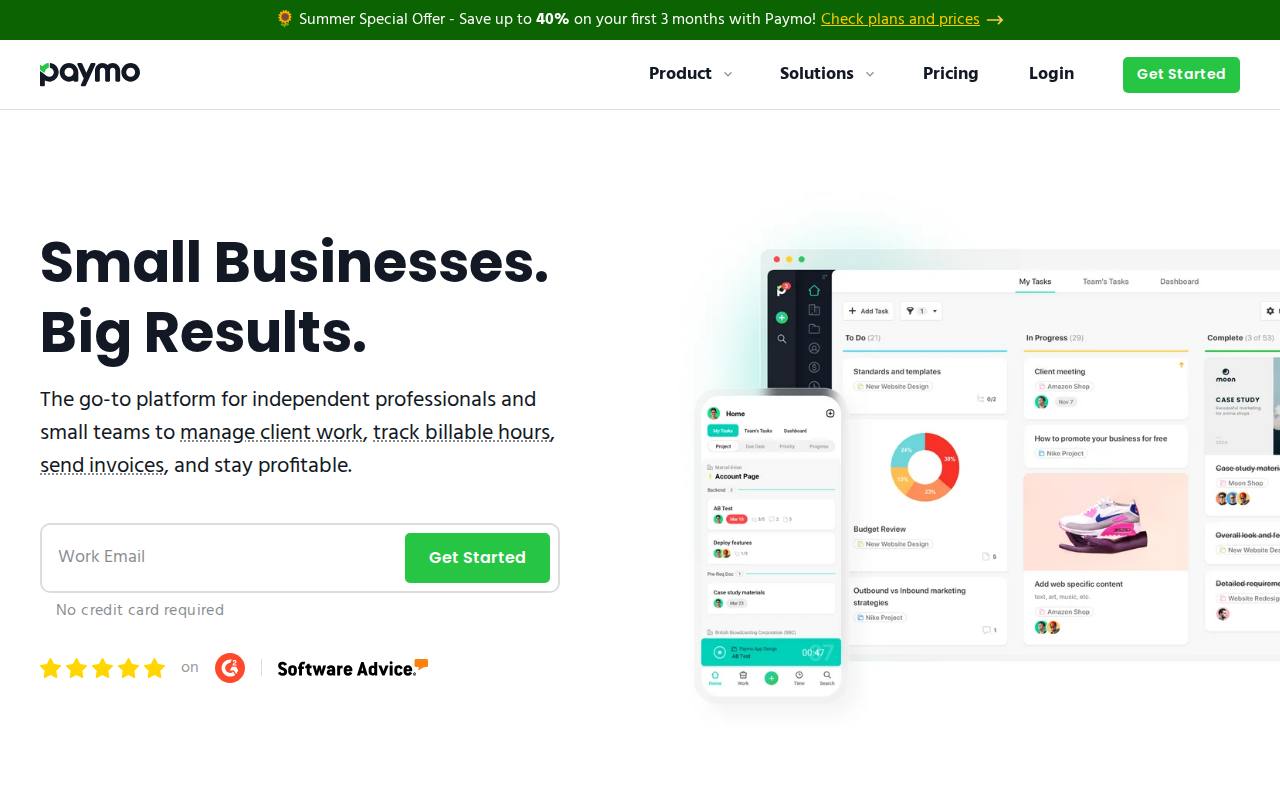
Paymo
roCloud-based project management and time tracking platform for creative professionals and small teams
- Catalog information
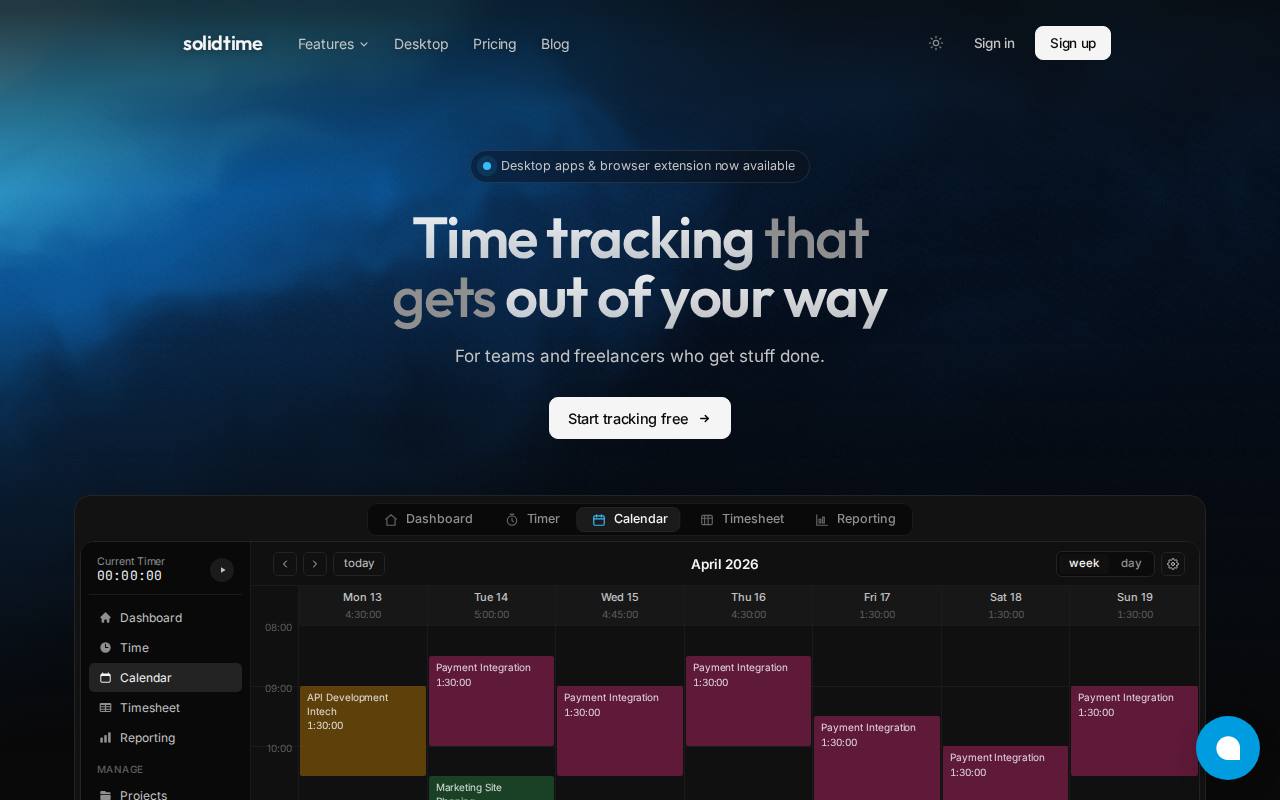
Solidtime
atTime tracking for client projects, with cloud and self-hosted options.
- View evidence
- Self-hostable
- Open source
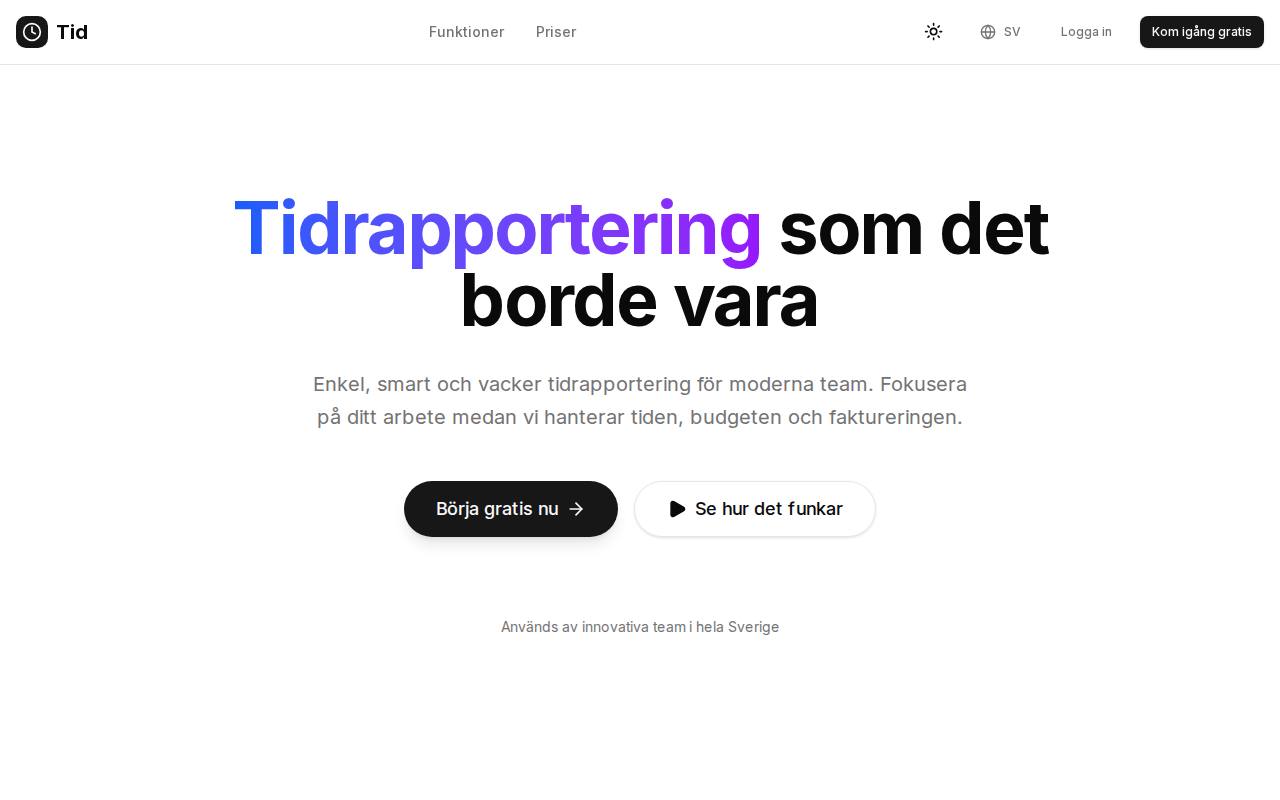
 Tid
seTime tracking and reporting for Swedish small business.
- Catalog information
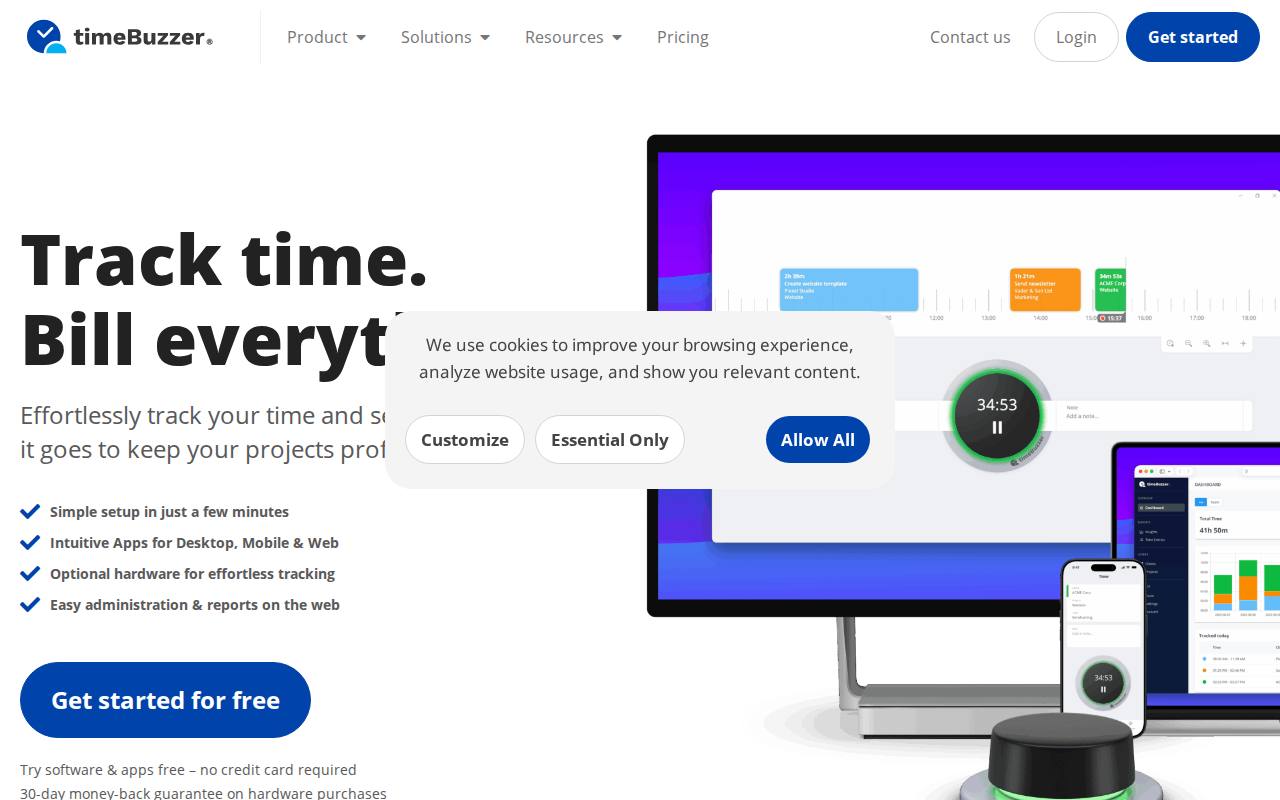
timeBuzzer
deTrack time. Bill everything.
- Catalog information
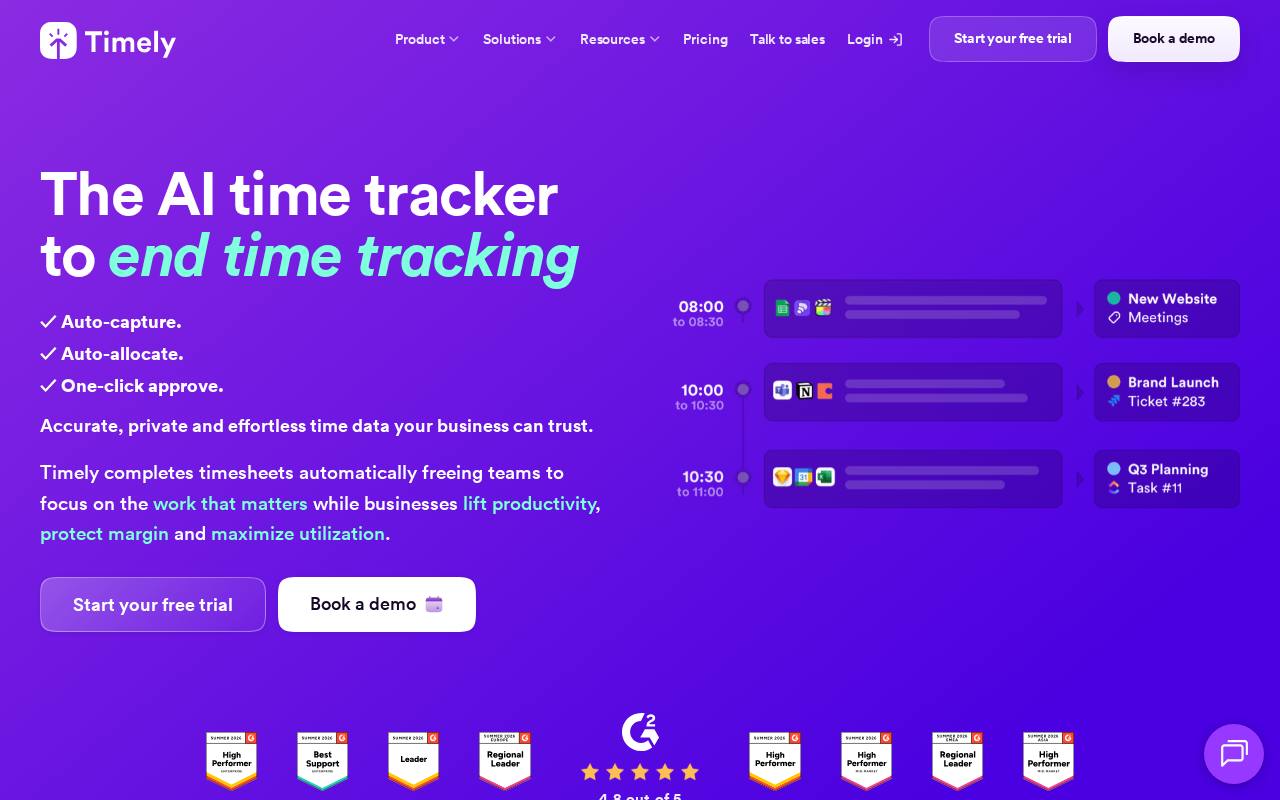
Timely
noAutomatic time tracking with a private activity timeline and reviewed timesheets.
- View evidence
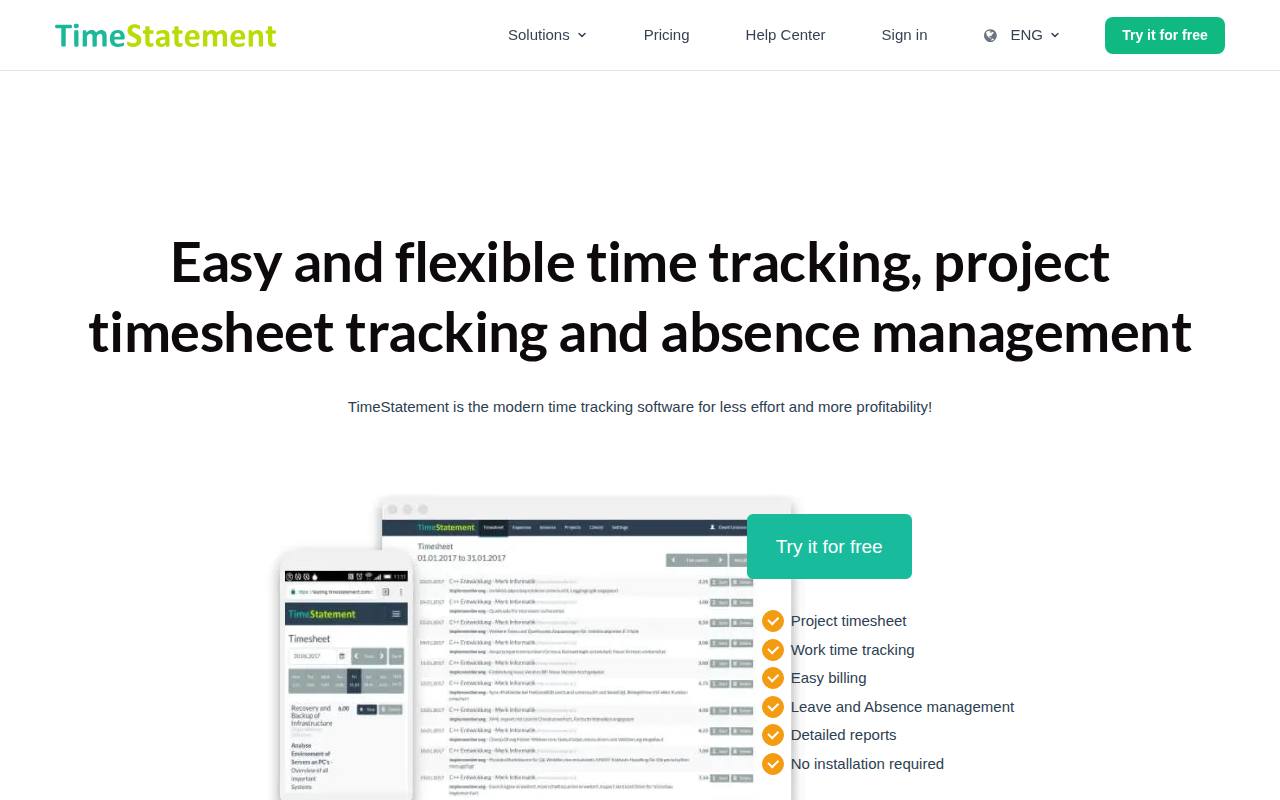
TimeStatement
chCloud-based time tracking and project invoicing for teams and freelancers
- Catalog information
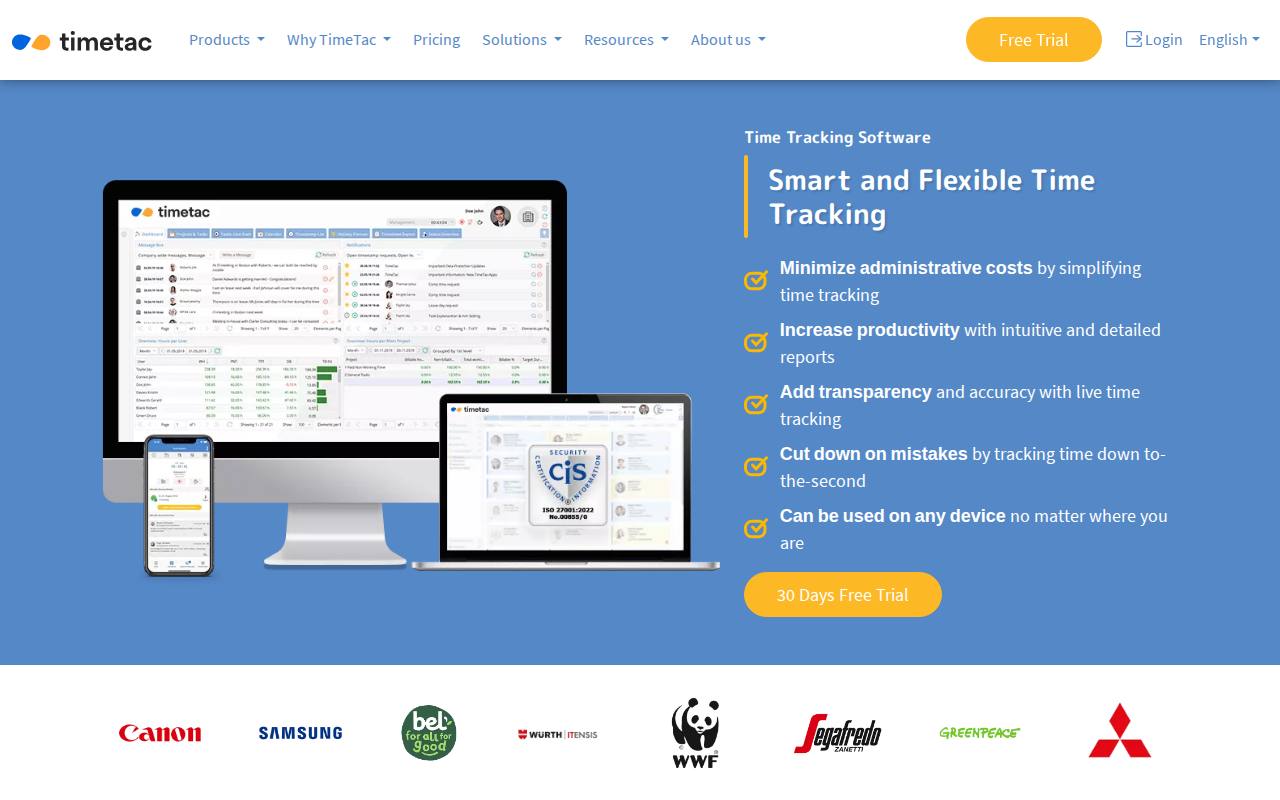
TimeTac
atCloud-based time tracking and workforce management for distributed teams
- Catalog information
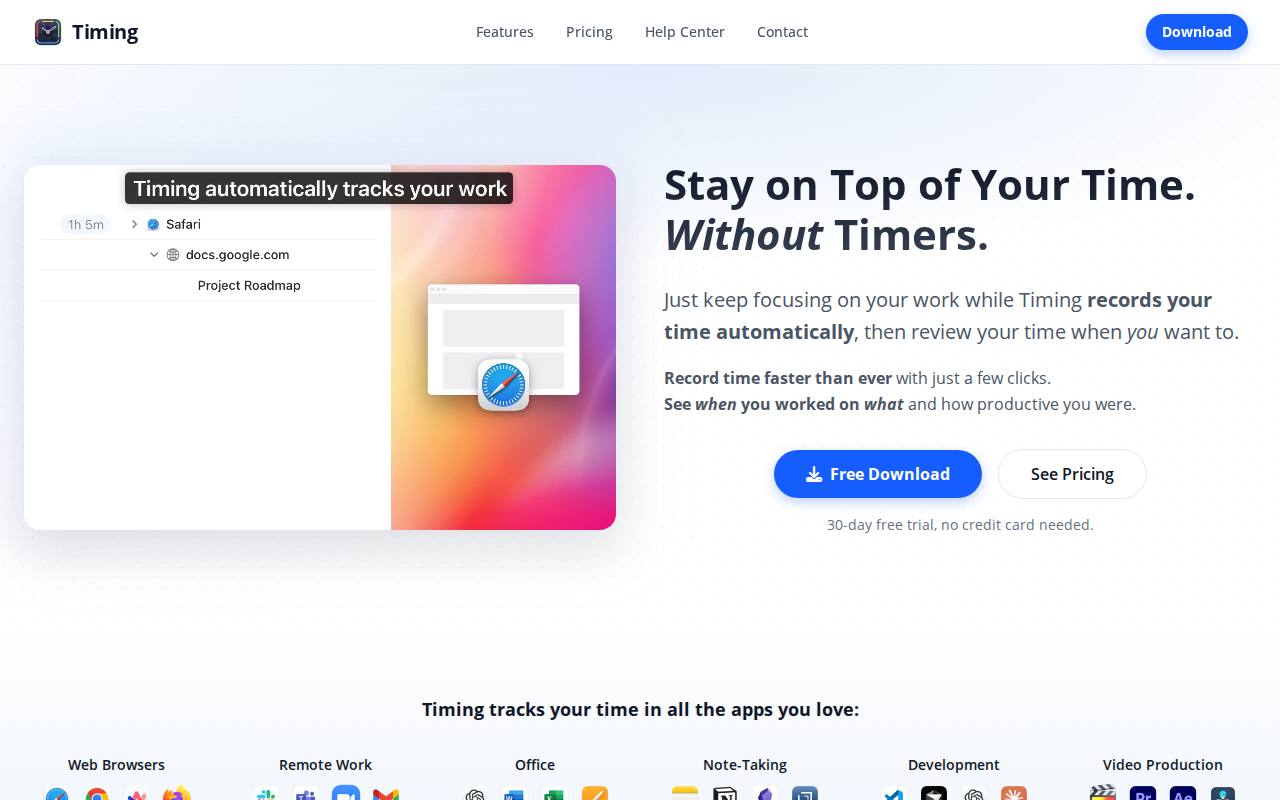
Timing
deAutomatic time tracking for Mac users who need accurate billable hours and actionable productivity insights
- Catalog information
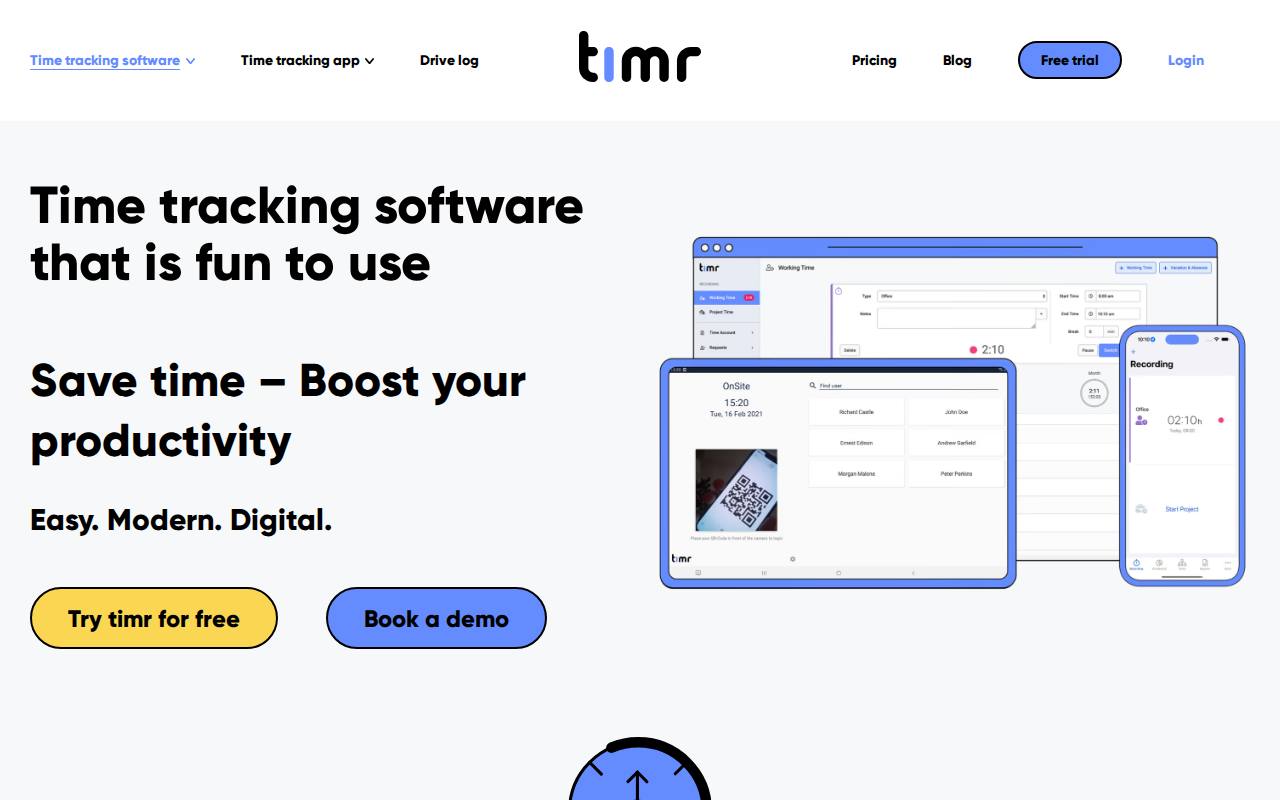
timr
atStraightforward cloud time tracking for teams and freelancers across web, mobile, and kiosks.
- Catalog information
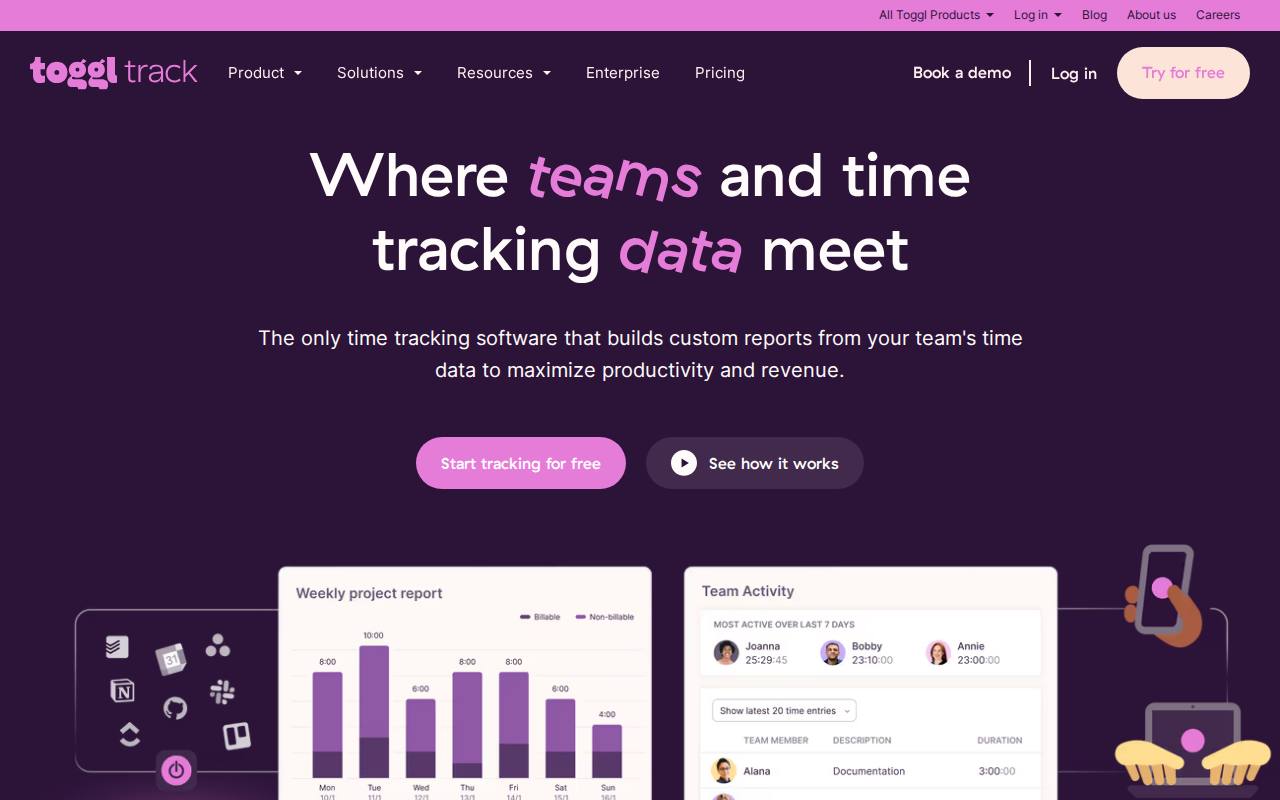
Toggl Track
eePrivacy-respecting time tracking for teams that values trust over surveillance.
- Catalog information
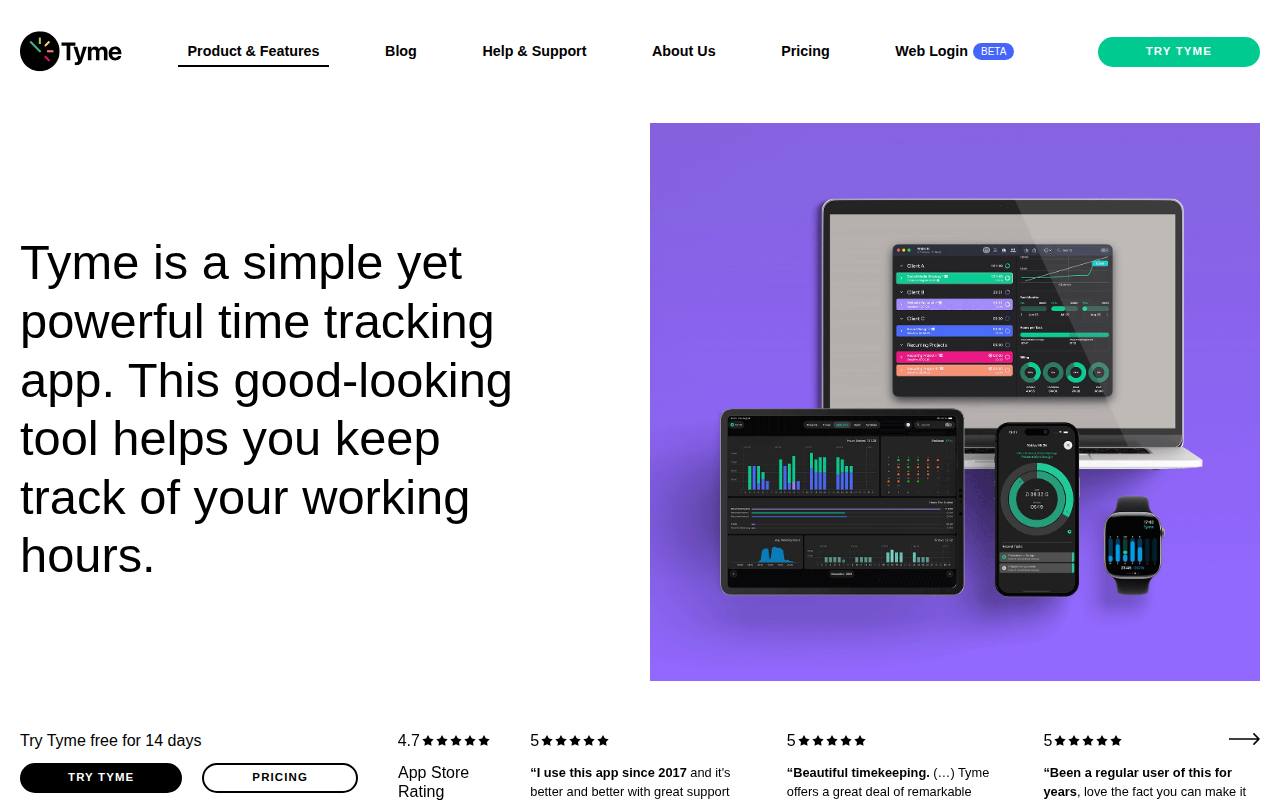
Tyme
deApple-native time tracking built for German compliance and team collaboration
- Catalog information
ZEP
deGerman-engineered time tracking platform built for compliance-conscious teams.
- Catalog information
Our honest take
If you need to replace Time Doctor's monitoring features specifically — the screenshot capture, the activity tracking, the productivity scores — the honest answer is that most EU tools in this list don't replicate that, by design. DeskTime (Latvia, EU-owned, 15+ years, ISO 27001/27701) is the closest European equivalent: it does automatic activity tracking, real-time productivity dashboards, and remote team visibility, while being GDPR-native and bootstrapped rather than VC-driven. If you need workforce monitoring and want to stay in the EU, DeskTime is the realistic choice.
If you're moving away from monitoring entirely and just want accurate time tracking, the field opens up considerably. Memtime (Germany) is worth serious attention: activity data never leaves the user's device, administrators cannot see what employees were doing, only that they were working — it's GDPR-by-architecture rather than GDPR-by-checkbox. That's the philosophical opposite of Time Doctor, and for teams rebuilding trust after a monitoring rollout, that distinction matters. Timely (Norway) takes a similar privacy-first approach with AI-powered automatic time capture and an explicit no-screenshots policy.
For straightforward manual or semi-automatic tracking with solid EU credentials, Clockodo (Germany), timr (Austria), ZEP (Germany), and TimeTac (Austria) all cover project time, absence management, and team reporting without touching employee surveillance. German teams in particular will find Clockodo's lexoffice and DATEV integrations useful.
Tid (Sweden, EU-hosted) is a focused time-tracking tool for SMEs and freelancers. It has none of Time Doctor's monitoring capability — no screenshots, no activity scoring, no keystroke tracking — which is likely a feature if you're leaving Time Doctor for cultural reasons. It's a clean tool for teams that want people to log their own time honestly, not be watched. Where Tid doesn't compete: if you genuinely need workforce monitoring or productivity reporting across a larger team, you need DeskTime or a proper HR analytics platform, not Tid.
Related European alternatives
Browse related categories
What we compare
- Where the data is stored
- Who owns the company
- Documented data and deployment scope
- Self-hosting option
- Open source
- Pricing model