European alternatives to MyNetDiary
MyNetDiary is a US-based calorie-counting and diabetes-management application whose servers and corporate ownership sit outside the European Union, raising data-residency and Schrems II concerns for European users who take GDPR compliance seriously.
MyNetDiary's principal appeal has long been its clinical-grade diabetes and blood-glucose tracking, paired with a clean interface for macro and calorie logging. For many European users, particularly those in regulated sectors or healthcare-adjacent roles, that utility is difficult to dismiss. However, the application's US incorporation and data infrastructure place it outside the territorial scope of the GDPR as a data controller bound by EU law in the same sense that an EU-established entity would be, and the 2020 Schrems II ruling by the Court of Justice of the European Union invalidated the Privacy Shield framework that had previously provided a legal basis for transatlantic personal-data transfers. Standard Contractual Clauses remain available as a transfer mechanism, but they require a documented transfer impact assessment, and US surveillance law — in particular FISA Section 702 — continues to attract scrutiny from European data-protection authorities. Organisations subject to DORA, NIS2, or sector-specific obligations should treat that exposure as a material compliance consideration rather than a theoretical risk.
Beyond the regulatory dimension, European users have practical reasons to seek local alternatives. MyNetDiary's food database, while extensive, is optimised for North American products, brands, and portion conventions. Users in Sweden, France, the Netherlands, or Poland frequently encounter gaps in local supermarket inventories, regional dishes, and nationally specific nutritional labelling. A food diary that requires constant manual entry to compensate for database gaps undercuts the frictionless logging experience that makes any tracking application viable over the medium term.
The competitive landscape for EU-based nutrition tracking has matured considerably. Several European tools now match or exceed MyNetDiary's feature depth while keeping all personal data within EU jurisdiction. The question for each prospective migrant is not simply "is there a European option" but rather which European option aligns most precisely with their specific use case — whether that is clinical dietary assessment, consumer weight management, professional dietitian workflows, or simple food-database lookup.
Where each alternative is built, owned and hosted
| Product | Built in | Data location | EU-owned | Self-hostable | Open source | Best for | Pricing |
|---|---|---|---|---|---|---|---|
| BiteRightIndividuals and healthcare providers needing clinical-grade nutrition tracking aligned with medical conditions | gb | EU | – | – | – | SME+Enterprise | Freemium |
| FddbIndividuals tracking daily nutrition and calorie intake with a comprehensive European food database | de | EU | ✓ | – | – | SME | Freemium |
| FitatuIndividuals tracking daily nutrition and weight loss with AI-powered photo meal estimation | pl | Mixed | ✓ | – | – | SME | Freemium |
| FoodvisorIndividual users and health-conscious consumers tracking nutrition and weight loss with AI-powered meal photography | fr | EU | ✓ | – | – | SME | Freemium |
| Kostbasen· by the founder | se | EU | ✓ | – | – | — | Free |
| LifesumIndividuals and workplaces seeking personalized AI-powered nutrition guidance and meal planning | se | Mixed | ✓ | – | – | SME+Enterprise | Freemium |
| MovenoDutch consumers seeking effortless, privacy-first calorie tracking with local cuisine recognition | nl | EU | ✓ | – | – | SME | Freemium |
| myfood24Healthcare organizations, research institutions, and educators needing validated dietary assessment and nutrition tracking | gb | EU | ✓ | – | – | SME+Enterprise | Contact |
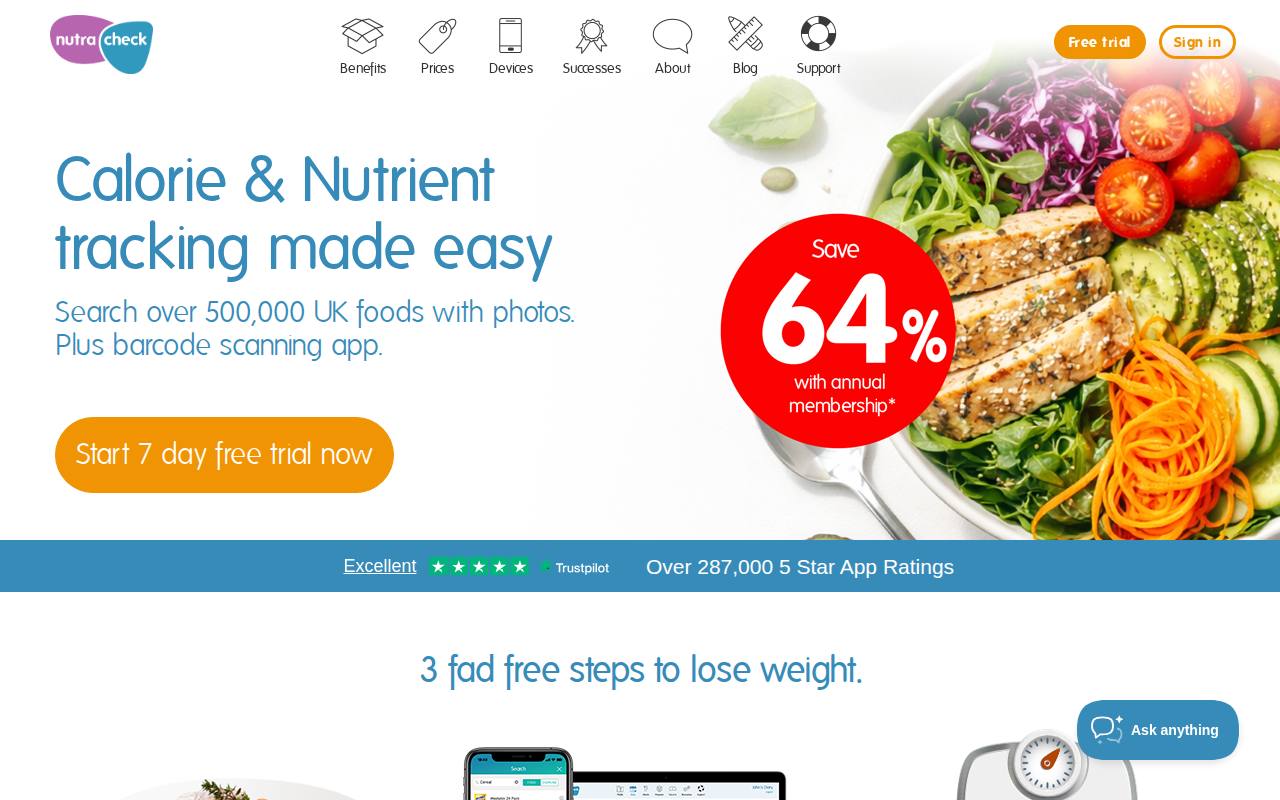
| NutracheckIndividuals tracking calorie intake and weight loss goals | gb | EU | ✓ | – | – | SME | Freemium |
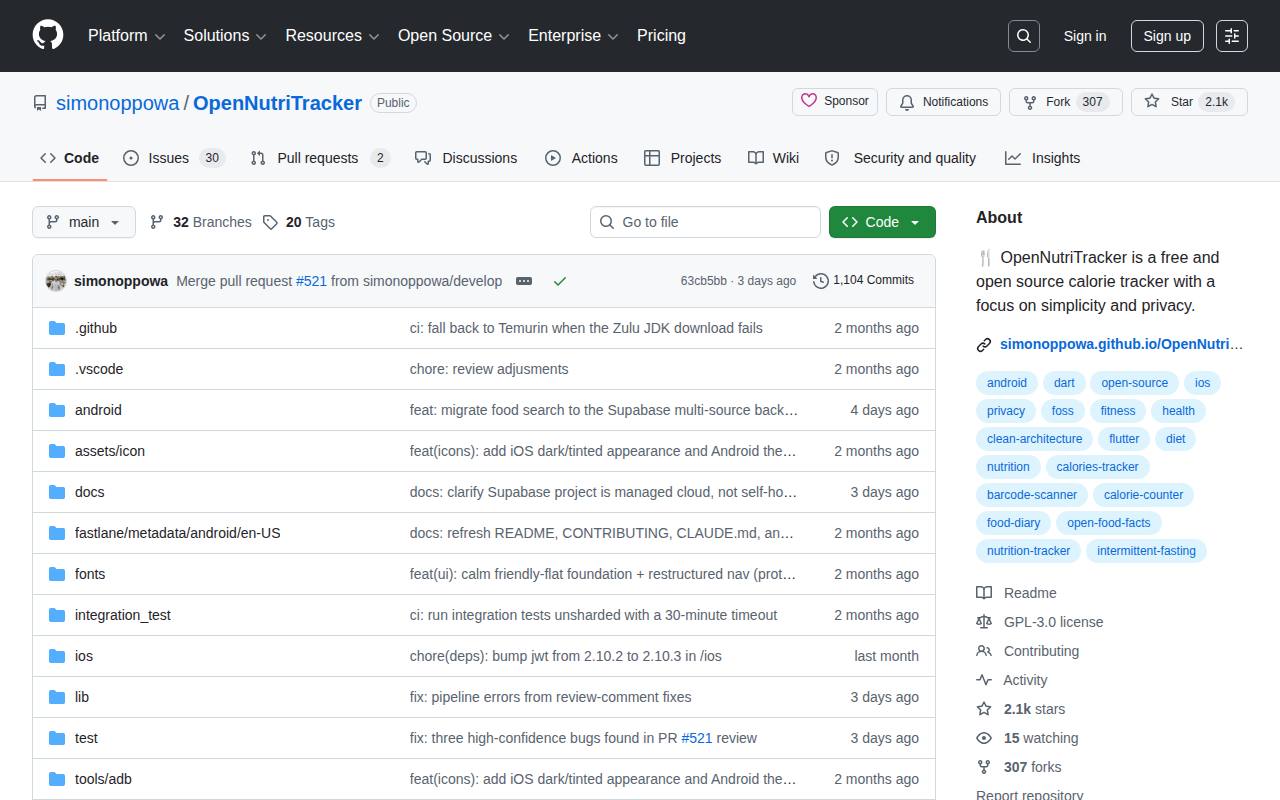
| OpenNutriTrackerHealth-conscious individuals tracking daily nutrition privately without subscriptions or ads | de | Self-hosted | ✓ | ✓ | ✓ | SME | Free |
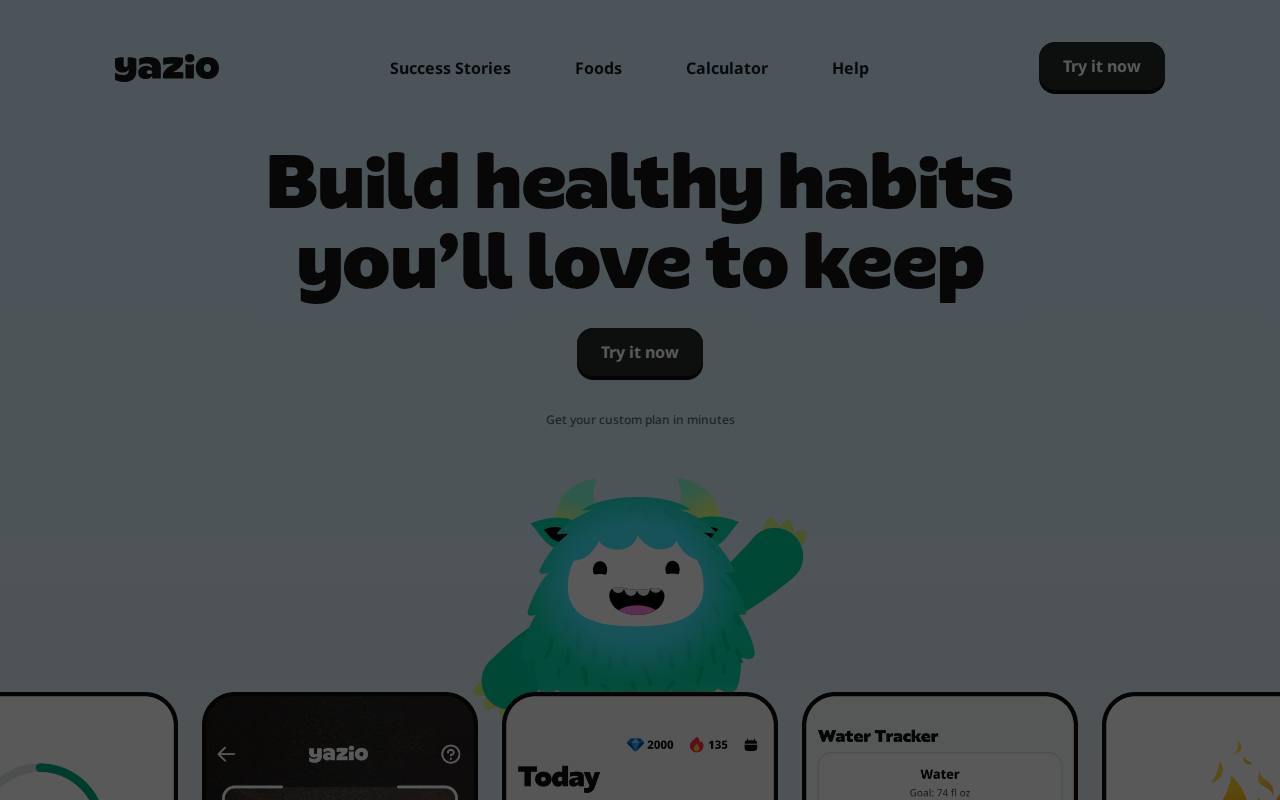
| YazioHealth-conscious individuals tracking calories, macros, and weight loss goals with AI-powered food recognition. | de | EU | ✓ | – | – | SME | Freemium |
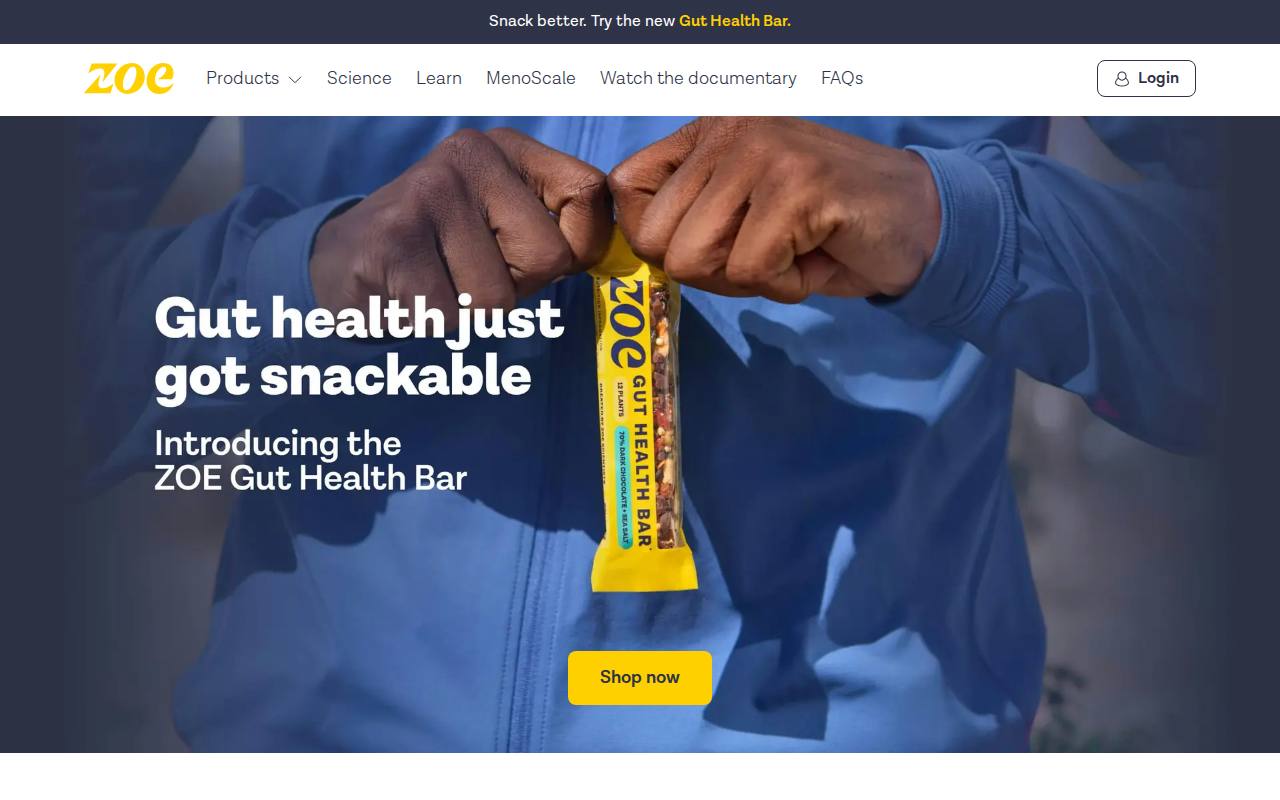
| ZOEIndividuals seeking personalized nutrition insights based on gut microbiome science rather than calorie counting. | gb | Mixed | ✓ | – | – | SME+Enterprise | Freemium |
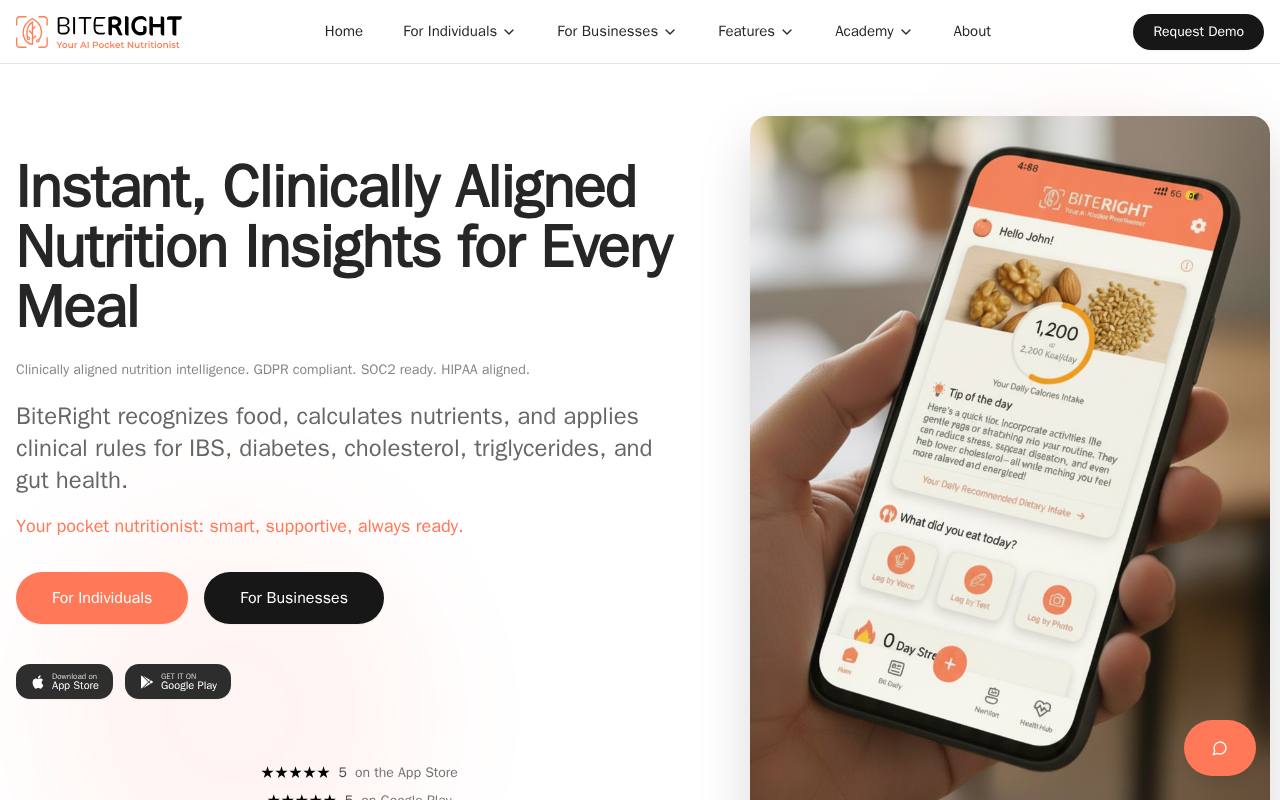
BiteRight
gbAI-powered nutrition assistant combining food recognition with clinical rule evaluation for health-conscious individuals and healthcare providers.
- Data: EU
- GDPR-native
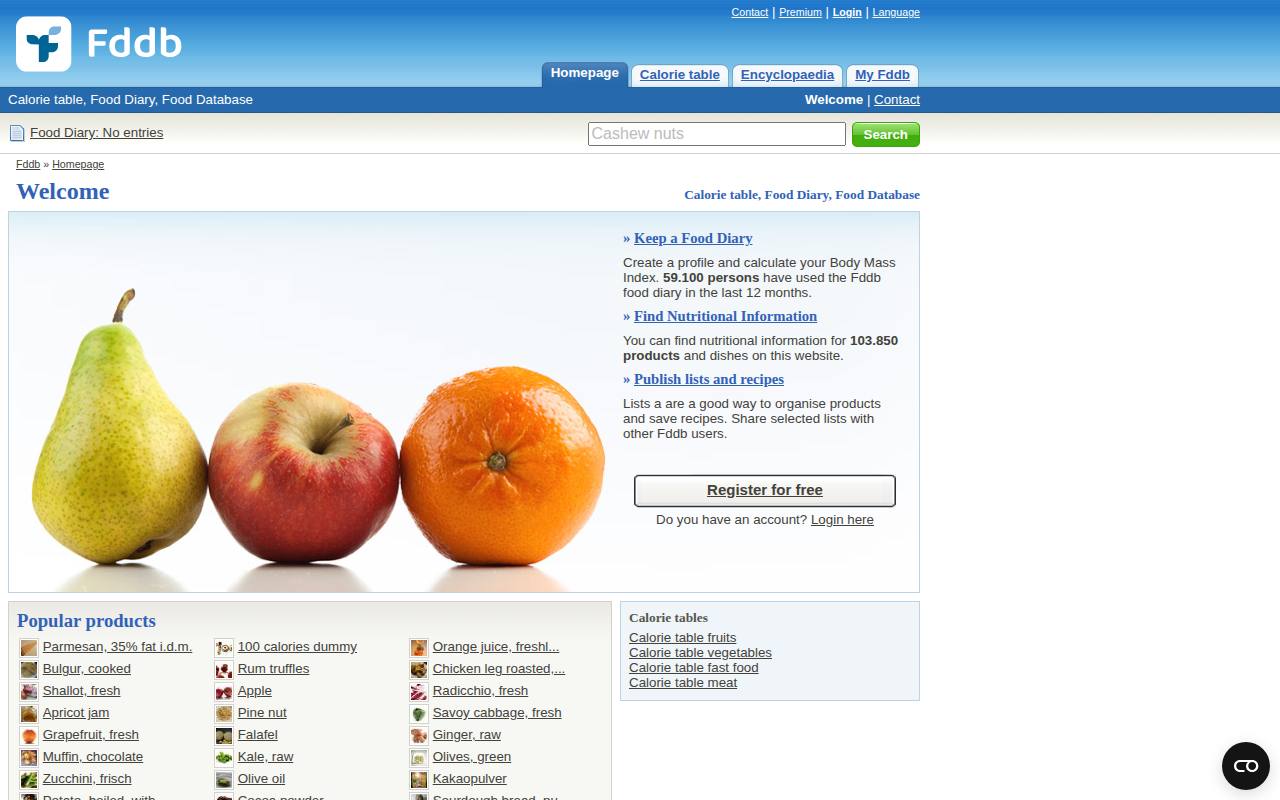
Fddb
deEuropean calorie and nutrition tracker with an extensive food database and GDPR compliance
- Data: EU
- GDPR-native
- EU-owned
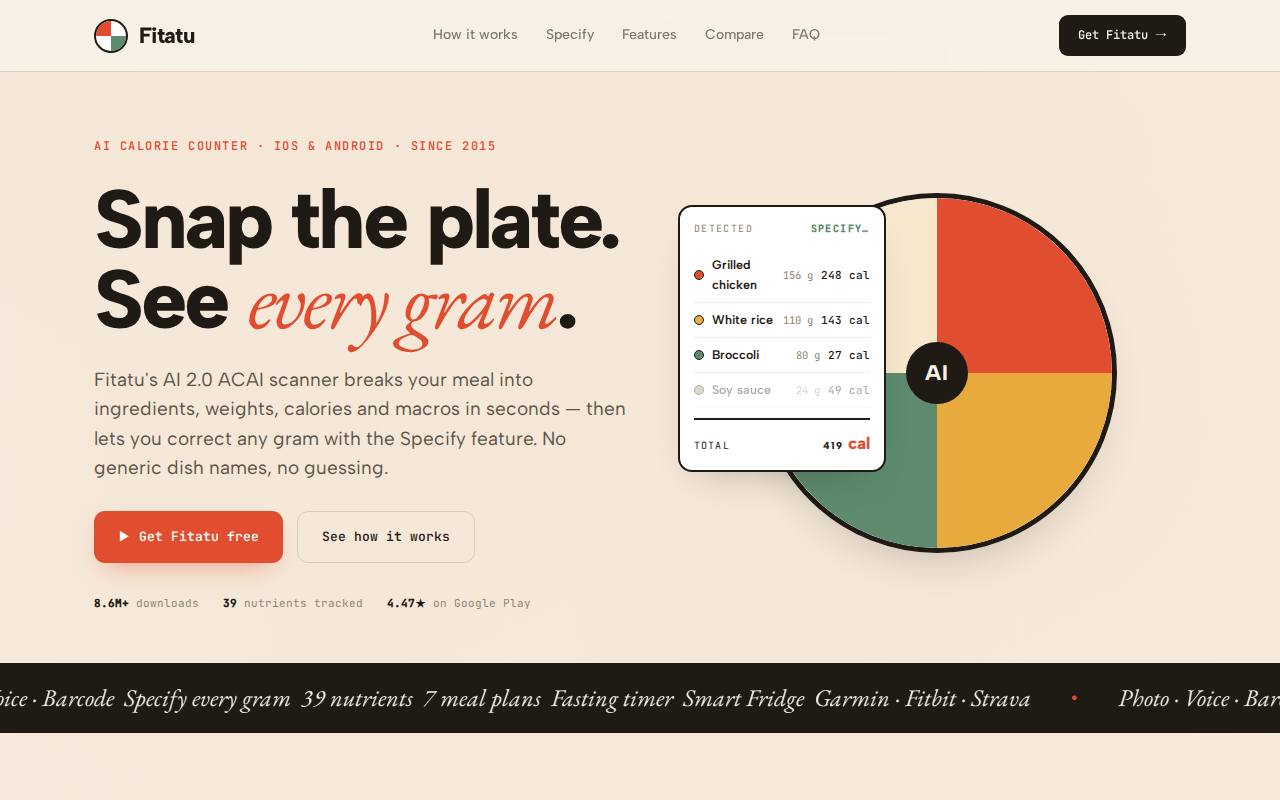
Fitatu
plPolish AI-powered calorie and nutrition tracker built for personalized diet management
- Data: Mixed
- GDPR-native
- EU-owned
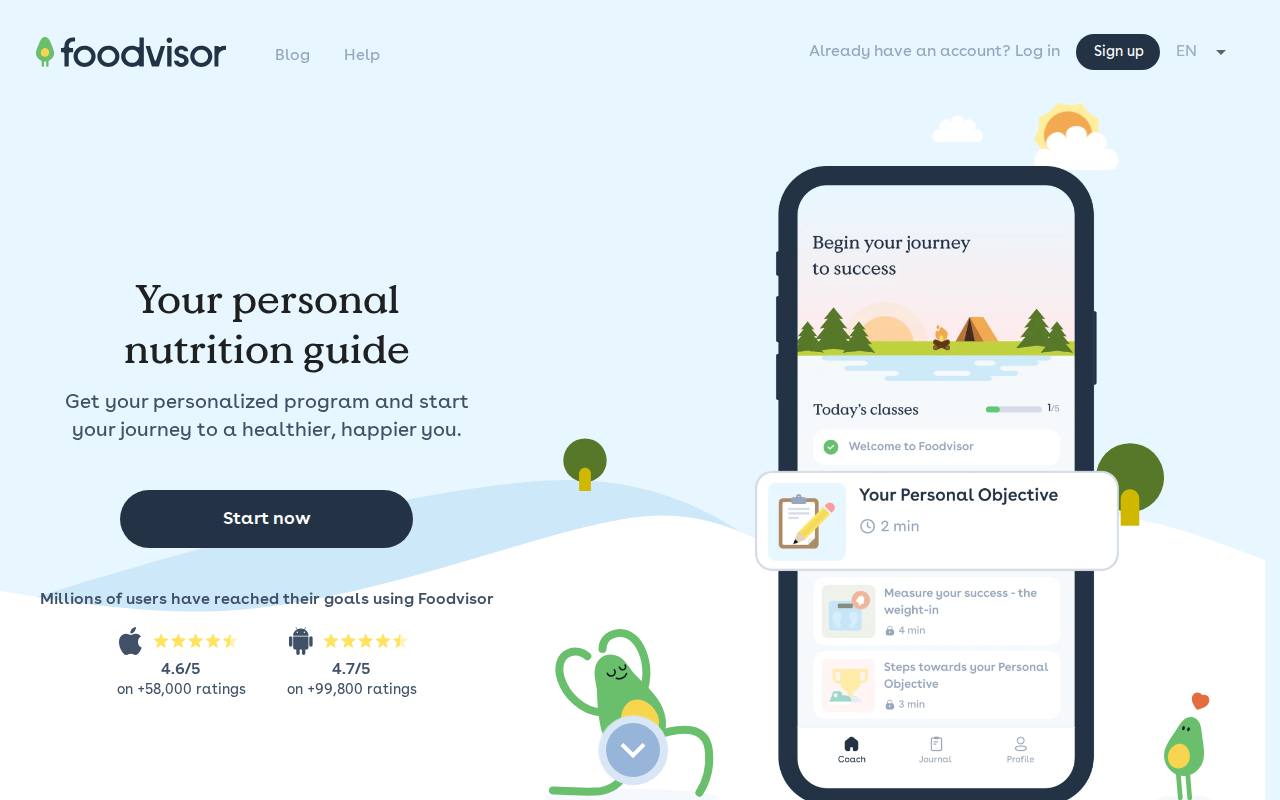
Foodvisor
frAI-powered nutrition tracking app with personalized dietitian coaching for healthier habits and weight loss.
- Data: EU
- GDPR-native
- EU-owned
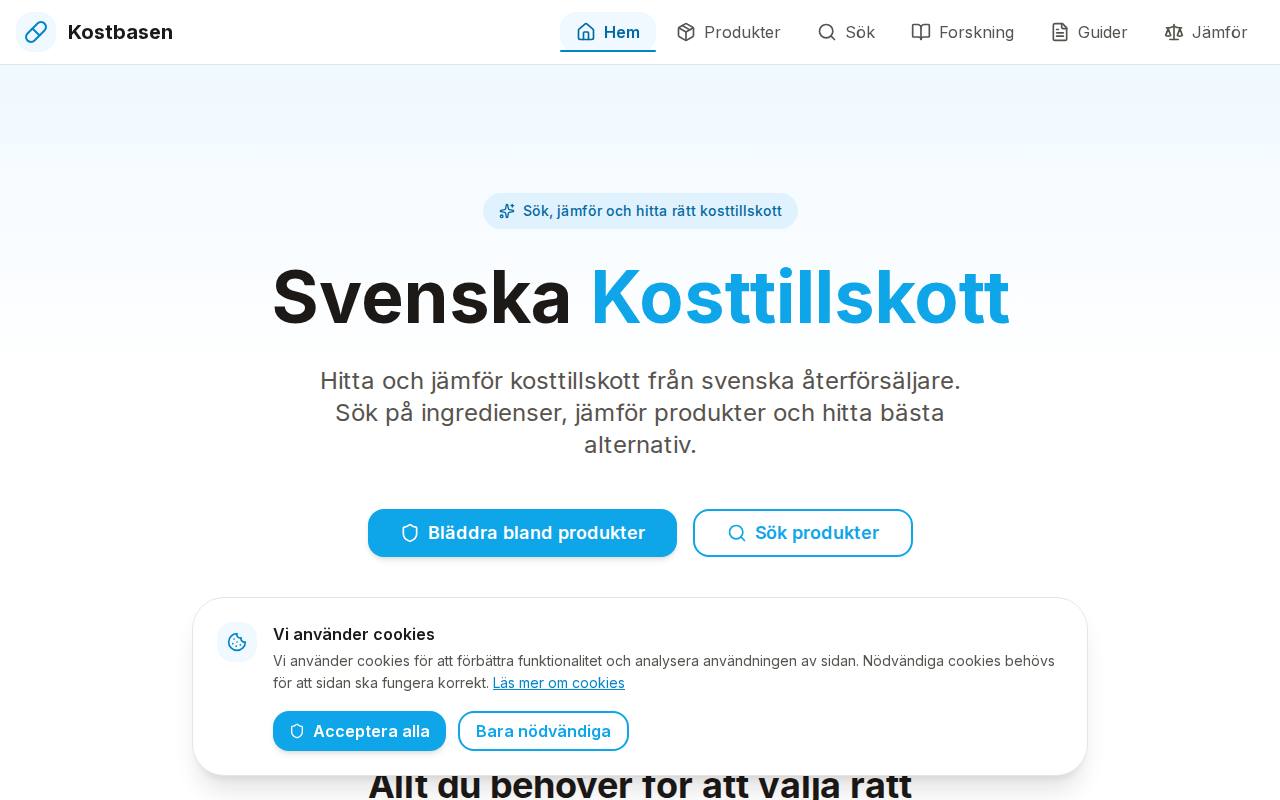
Kostbasen
seSwedish food and nutrition database.
- Data: EU
- GDPR-native
- EU-owned
Lifesum
seAI-powered nutrition tracking platform helping 60+ million users achieve healthier eating habits through personalized meal planning and real-time guidance.
- Data: Mixed
- GDPR-native
- EU-owned
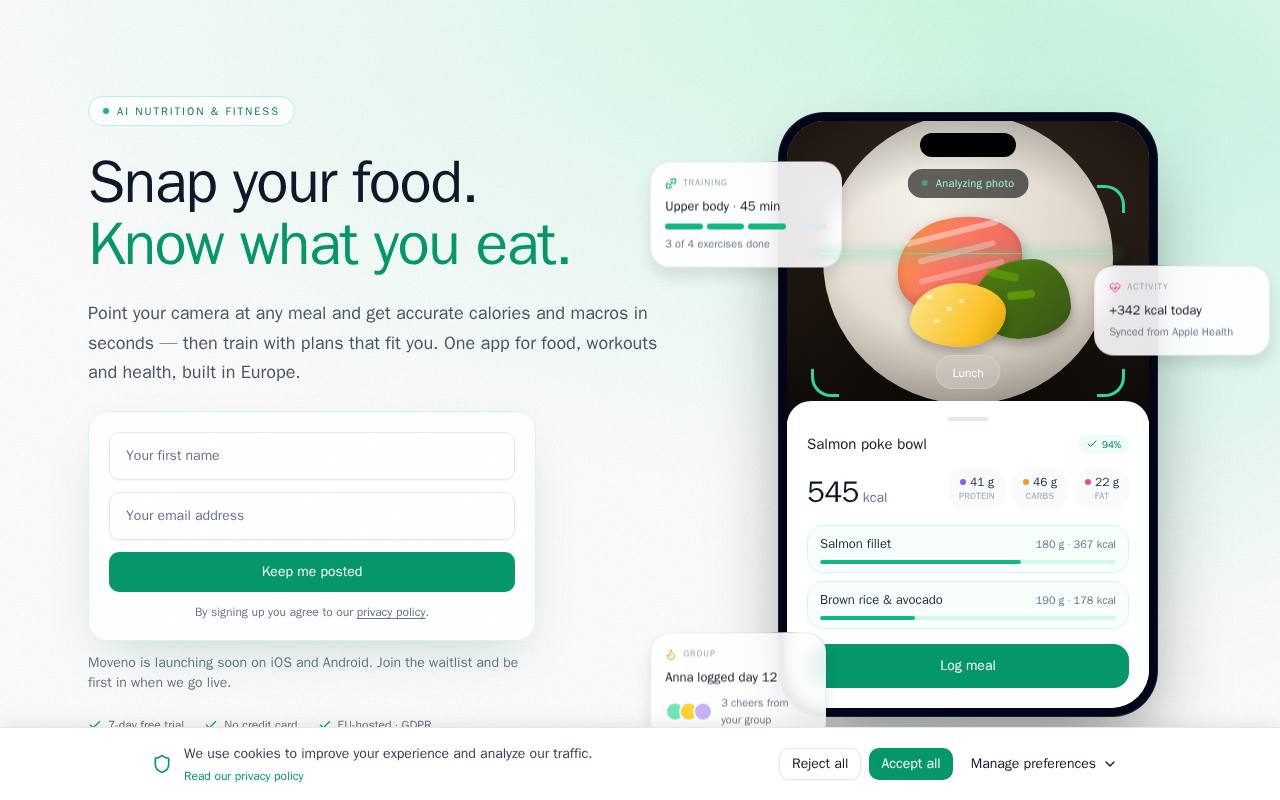
Moveno
nlAI calorie tracker designed for the Dutch market with EU privacy and local cuisine expertise.
- Data: EU
- GDPR-native
- EU-owned
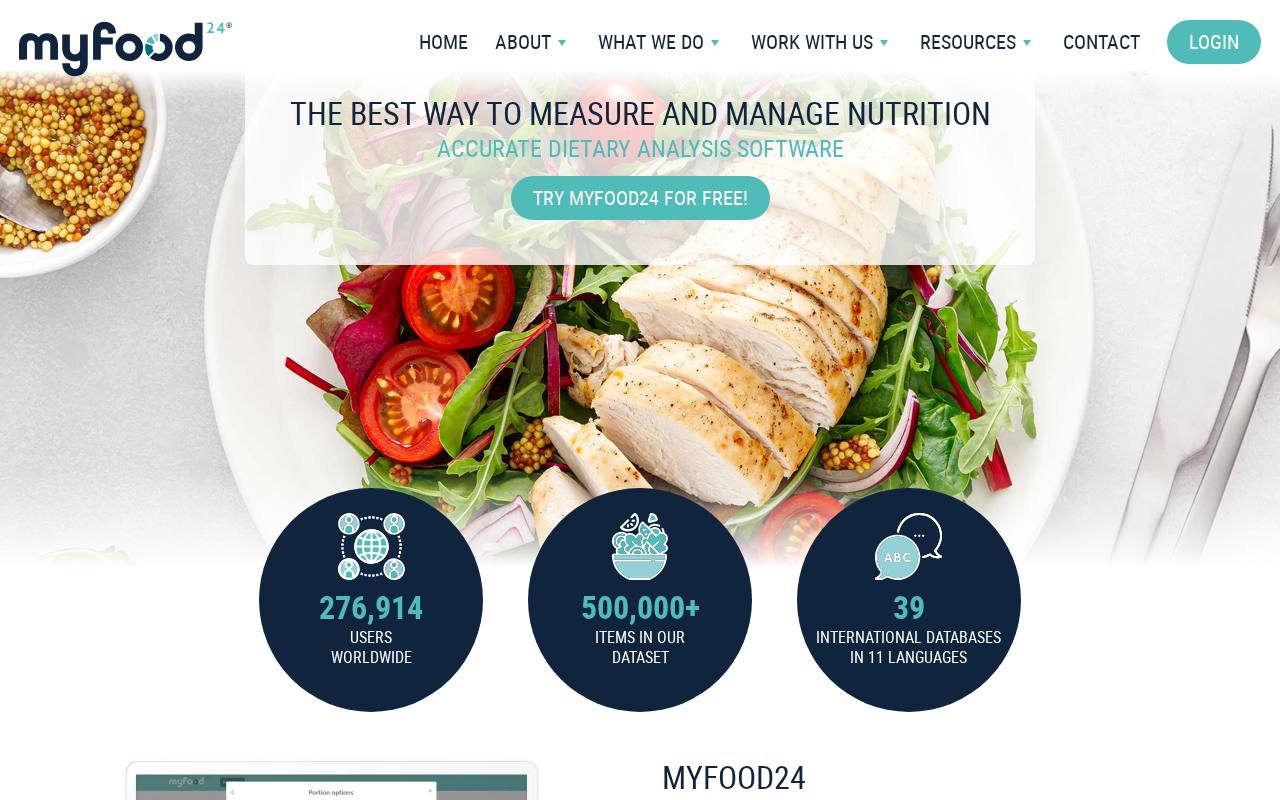
myfood24
gbClinically validated digital food diary and automated nutrition analysis for healthcare, research, and education
- Data: EU
- GDPR-native
- EU-owned
Nutracheck
gbUK's top-rated calorie counter app and food diary for sustainable weight management.
- Data: EU
- GDPR-native
- EU-owned
OpenNutriTracker
deOpen-source privacy-first calorie tracker with local encryption and GDPR compliance
- Data: Self-hosted
- GDPR-native
- EU-owned
- Self-hostable
- Open source
Yazio
deAI-powered calorie and nutrition tracker built in Germany with GDPR-native data protection.
- Data: EU
- GDPR-native
- EU-owned
ZOE
gbScience-based nutrition platform powered by microbiome analysis and personalized dietary guidance.
- Data: Mixed
- GDPR-native
- EU-owned
Our honest take
For individual consumers who want the closest feature-for-feature replacement — AI photo recognition, barcode scanning, macro tracking, and intermittent fasting support — YAZIO (Germany, EU-hosted) is the most direct substitute, with a well-regarded free tier and German-market food database. Lifesum (Sweden, though mixed data residency) offers a comparably polished experience and a large established user base, making it suitable for both individual and corporate wellness contexts, provided purchasers verify their specific data-processing agreement before signing. For users in France, Foodvisor provides EU-hosted calorie tracking with registered dietitian access and strong European food recognition across 20+ languages. Moveno serves Dutch users specifically well, with a localised database of 85,000+ Dutch foods and strict EU data storage in Frankfurt. For users in Poland or Central Europe, Fitatu tracks 39+ nutrients with AI photo recognition and EU data residency. Where clinical rigour and research-grade validation are required — for instance in NHS-connected organisations or academic nutrition studies — myfood24 (UK, EU data hosting, ISO 27001 certified) and Nutritics (Ireland) both offer enterprise-grade compliance documentation and validated dietary assessment instruments that MyNetDiary does not match.
Kostbasen occupies a narrower and more specific position in this comparison. It is a Swedish-language food and nutrition database tool, EU-hosted and free, that suits Swedish and Nordic users who need a compliant reference database for food composition data — particularly for foods common in Swedish diets that larger international databases systematically under-index. It is not a full tracking and coaching application: it does not offer the calorie diary, progress charts, device integrations, or social features that MyNetDiary users rely upon. It is neither self-hostable nor open-source. For a direct MyNetDiary replacement for daily logging, Kostbasen is not the right tool; YAZIO, Foodvisor, or Lifesum will serve that need more completely. Kostbasen is, however, a reasonable choice for Swedish or EU-based users whose primary requirement is a reliable, GDPR-compliant food composition reference — a use case the larger apps serve only incidentally.
Frequently asked questions
- Why look for European alternatives to MyNetDiary?
- Compare MyNetDiary with European alternatives by workflow, company ownership and documented data location. Check the current provider terms and hosting options before deciding which product fits your requirements.
- How many of these alternatives are EU-owned and GDPR-native?
- Of the 12 European alternatives listed for MyNetDiary, 11 are marked EU-owned and 12 are marked GDPR-native on LaunchRadar.
- Where do these alternatives store data?
- Listed data locations for European alternatives to MyNetDiary: EU, Mixed, Self-hosted. Check each product page for the latest residency details.
- What does LaunchRadar compare on these pages?
- We compare where each alternative is built, who owns it, GDPR-native design, self-hosting, open source and pricing — so you can pick a European option that fits your risk and workflow.
Related European alternatives
Browse related categories
What we compare
- Where the data is stored
- Who owns the company
- GDPR-native by design
- Self-hosting option
- Open source
- Pricing model