European alternatives to Desmos
Desmos is genuinely excellent at what it does — fast, free, browser-based graphing — but it's owned by Amplify, an American ed-tech company, and your students' data lives on US infrastructure with no EU residency option.
Desmos earned its following honestly. The graphing calculator is fast, the interface is clean, and it works on any device without login. Teachers built whole lessons around it; students learned to visualise functions in minutes. The problem isn't quality — it's ownership and data flows. Amplify acquired Desmos in 2022 and folded it into a US curriculum platform. GDPR compliance exists on paper, but data processing happens under US jurisdiction, and the product roadmap now answers to Amplify's commercial interests, not the European classroom.
For EU schools operating under strict data governance, or school districts in Sweden, Germany, or France that need demonstrable EU data residency, that's a structural problem you can't paper over with a DPA addendum. The concern sharpened after the acquisition when Desmos began nudging users toward the broader Amplify curriculum suite — a direction that has nothing to do with why European teachers adopted the tool in the first place.
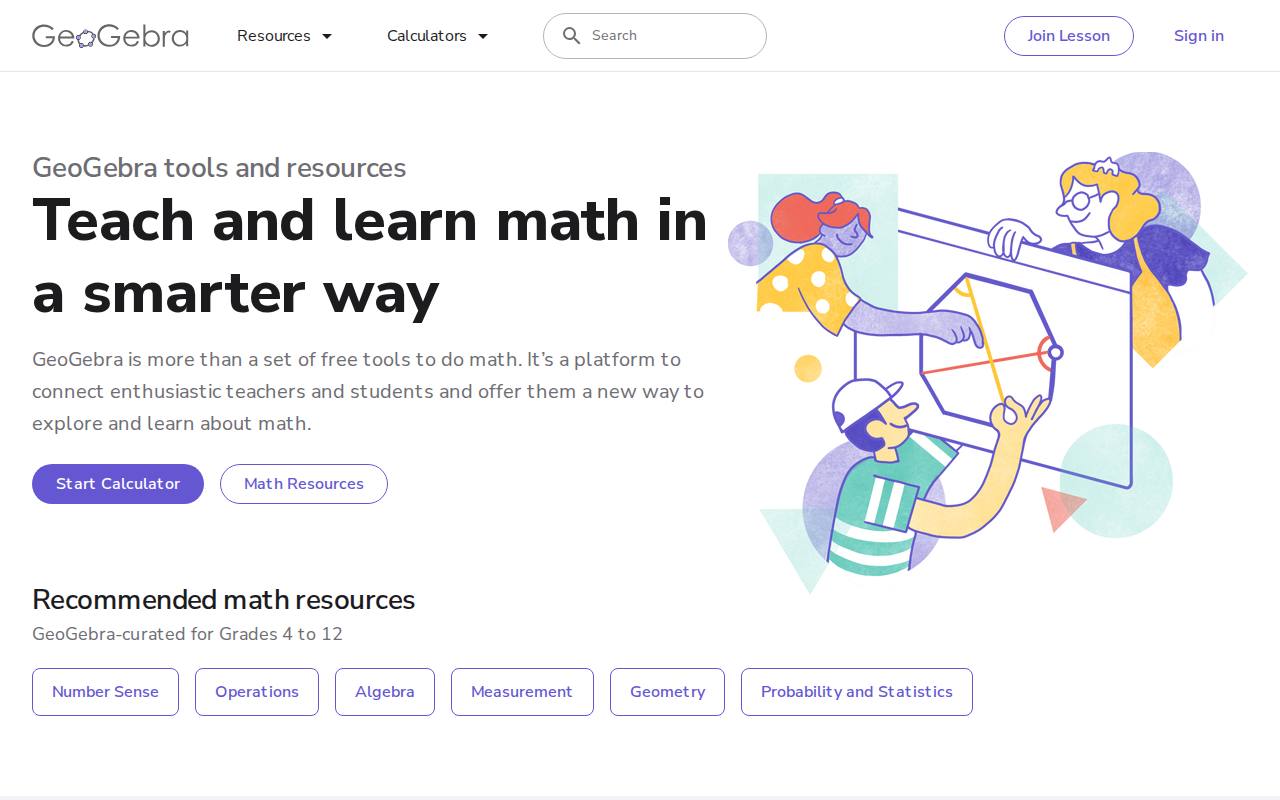
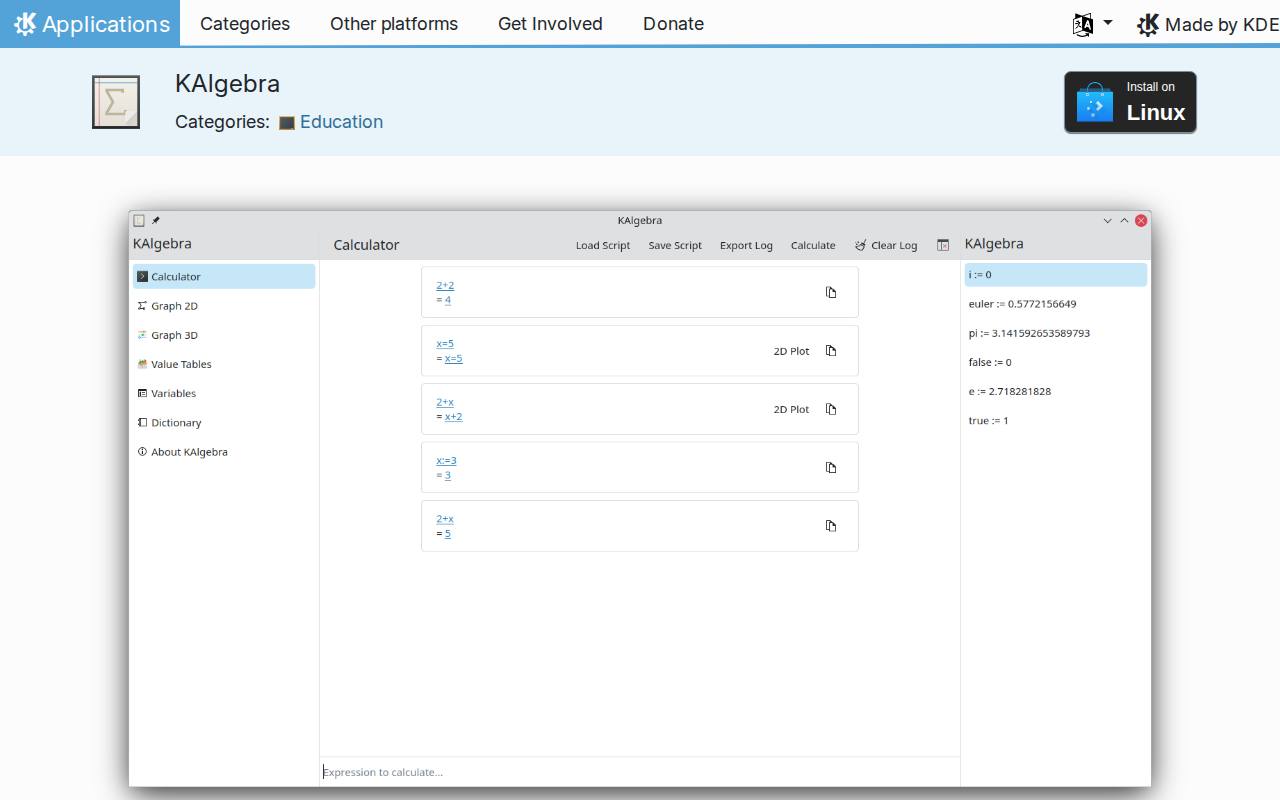
The EU alternatives here are genuinely strong. GeoGebra (Austria) is the most direct replacement: free, EUPL open-source, self-hostable, with graphing, geometry, algebra, spreadsheets, and classroom collaboration built in — and over a million community-created resources. NumWorks (France) covers the exam-approved calculator angle for students sitting IB, SAT, or AP with an intuitive app and a free web emulator. KAlgebra is the lightweight local option — GPL, no cloud, no data collection at all. Xcas (France) goes deeper into symbolic computation and is used inside HP Prime calculators and GeoGebra's CAS engine.
Where each alternative is built, owned and hosted
Read the billing unit, deployment scope and supporting evidence. Missing documentation is not a negative finding. On small screens, scroll the table sideways.
| Product | Pricing and billing unit | Data and deployment scope | Self-hosting / Source code |
|---|---|---|---|
| Euler Mathematical ToolboxView evidence → | Catalog information: FreeNot documented here | Not documented here | Self-hosting Not documented hereSource code Not documented here |
| fxSolverView evidence → | Catalog information: FreeNot documented here | Not documented here | Self-hosting Not documented hereSource code Not documented here |
| GeoGebraView evidence → | Catalog information: FreemiumNot documented here | Not documented here | Self-hosting Not documented hereSource code Not documented here |
| KAlgebraView evidence → | Catalog information: FreeNot documented here | Not documented here | Self-hosting Not documented hereSource code Not documented here |
| Mattegrafenby the founderView evidence → | Catalog information: FreemiumNot documented here | Not documented here | Self-hosting Not documented hereSource code Not documented here |
| NumWorksView evidence → | Catalog information: FreemiumNot documented here | Not documented here | Self-hosting Not documented hereSource code Not documented here |
| XcasView evidence → | Catalog information: FreeNot documented here | Not documented here | Self-hosting Not documented hereSource code Not documented here |
Euler Mathematical Toolbox
deFree, open-source numerical and symbolic mathematics software with advanced plotting capabilities
- Catalog information
fxSolver
deFree, cloud-based algebraic equation solver with integrated graphing for engineers and scientists.
- Catalog information
GeoGebra
atInteractive mathematics software bringing geometry, algebra, graphing, and calculus into one platform.
- Catalog information
KAlgebra
deFree and open-source math solver with 2D/3D graphing capabilities
- Catalog information
 Mattegrafen
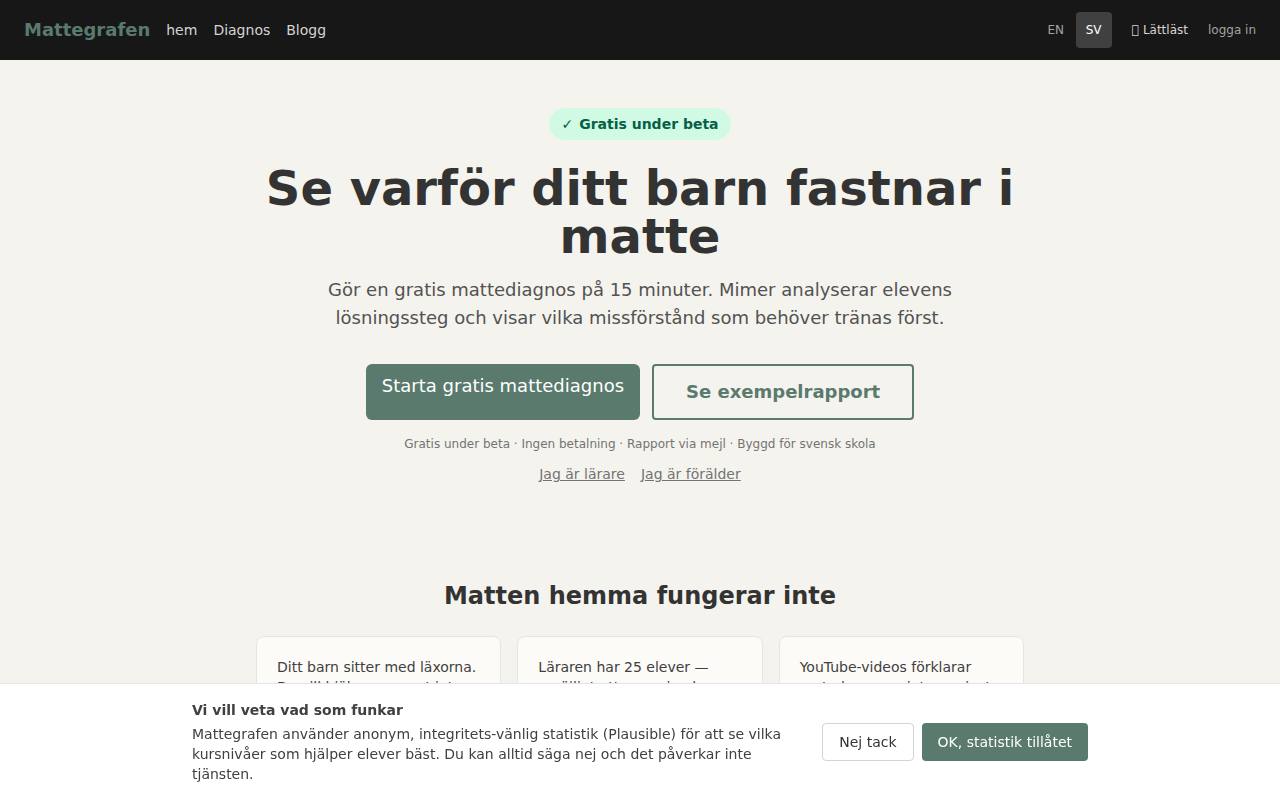
seAI math tutor for Swedish students (Lgr22 + Gy25).
- Catalog information
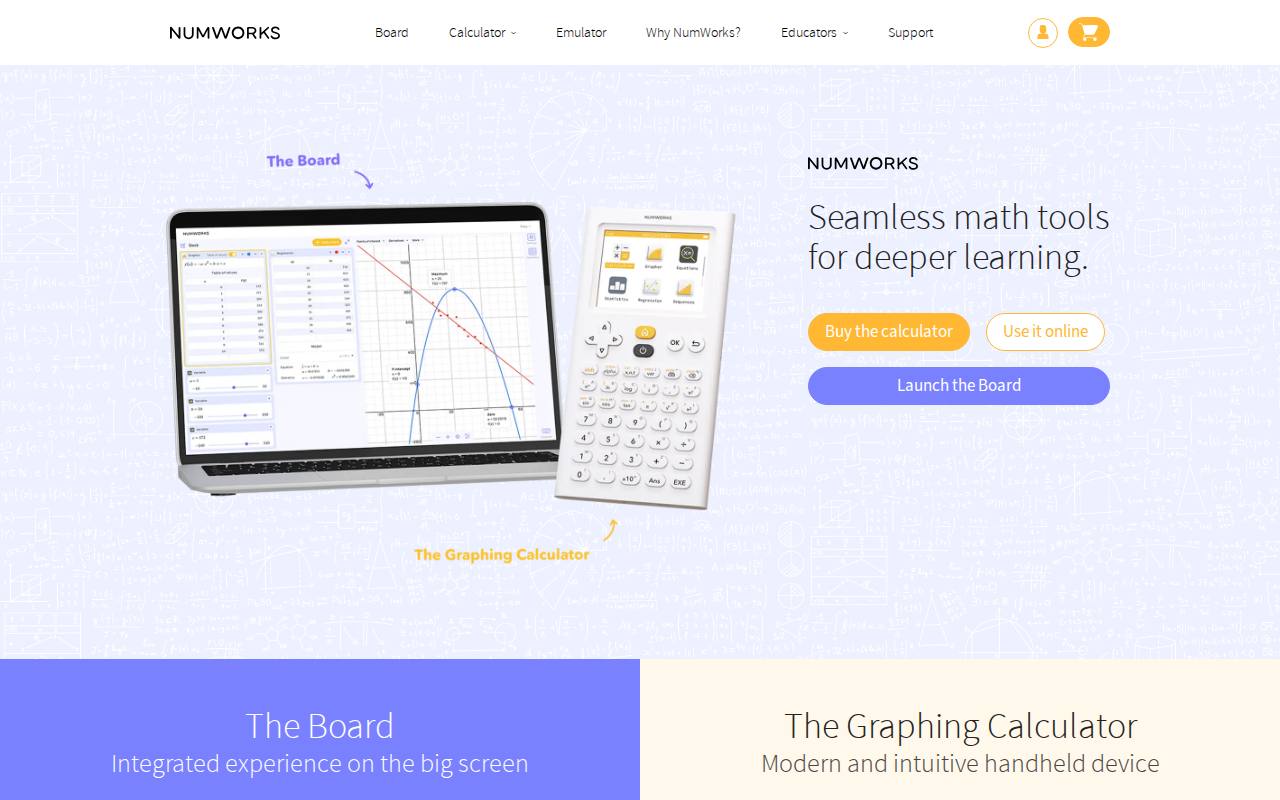
NumWorks
frIntuitive, exam-approved graphing calculator ecosystem for modern math education.
- Catalog information
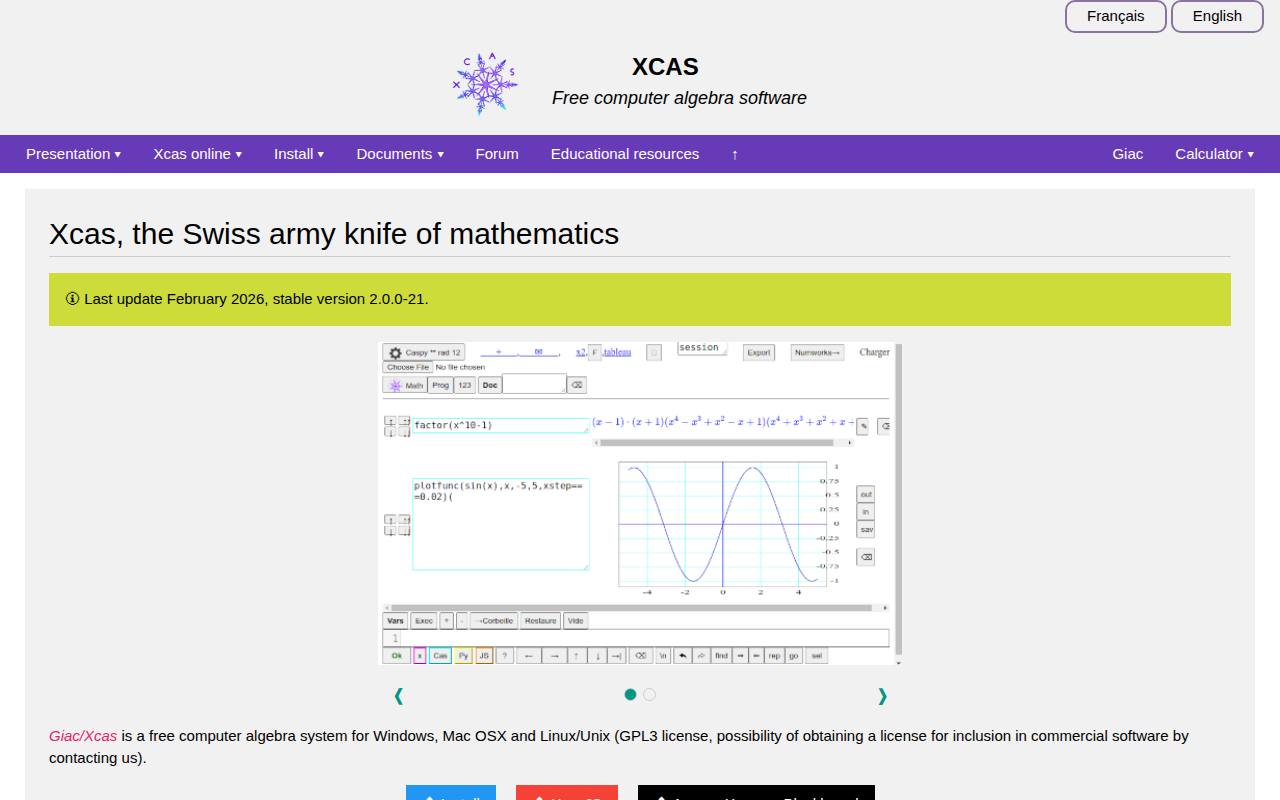
Xcas
frFree, open-source computer algebra system with integrated graphing and interactive geometry.
- Catalog information
Our honest take
GeoGebra is the clearest Desmos replacement for the classroom: it does everything Desmos does with graphing, adds dynamic geometry and classroom collaboration, runs on EU infrastructure, and is open-source with a self-hosting option for institutions that need it. NumWorks wins for exam-prep contexts where an approved physical calculator matters alongside the web tool. KAlgebra wins if you want zero cloud dependency at all — it's a desktop app with no data leaving the machine. Xcas wins for the teacher or student who needs a full computer algebra system, not just a grapher.
Mattegrafen's honest position: it's a focused math solver and grapher built for Swedish and EU students, EU-hosted, with a freemium model that doesn't hide features behind a signup wall. It competes with Desmos specifically on the graphing side, and it's a reasonable choice for Swedish students who want their data to stay in the EU. But it doesn't match Desmos's breadth of community resources, it isn't open-source or self-hostable, and it won't replace GeoGebra for teachers who need classroom collaboration or dynamic geometry. If pure graphing on EU infrastructure is what you need, Mattegrafen is worth a look. If you need the full classroom ecosystem Desmos offered, GeoGebra is the stronger migration path.
Related European alternatives
Browse related categories
What we compare
- Where the data is stored
- Who owns the company
- Documented data and deployment scope
- Self-hosting option
- Open source
- Pricing model