European alternatives to Cymath
Cymath solves algebra and calculus problems step by step, for free, and a lot of students rely on it — but it's a US-operated service with no EU data residency, and its step explanations are noticeably shallower than what the stronger alternatives offer.
Cymath's appeal is simple: paste in a problem, get steps back, no account required. For a student stuck on a quadratic at 11pm, that's enough. The free tier covers a decent slice of high school math, and the interface stays out of the way. But the limits show fast. The step explanations are thin — they show what was done, not always why. The coverage doesn't extend reliably into university-level calculus or linear algebra. And unlike Wolfram Alpha or Photomath, there's no broader learning layer: no concept explanations, no practice problems, no curriculum context.
For European users, the data question is also real. Cymath is operated by a US company with no stated EU data residency. Every problem a student inputs — which can reveal study topics, academic level, even homework specifics — processes on US infrastructure. Under GDPR, that matters more for institutions than for individual students, but schools integrating any math tool into their workflow need to take it seriously.
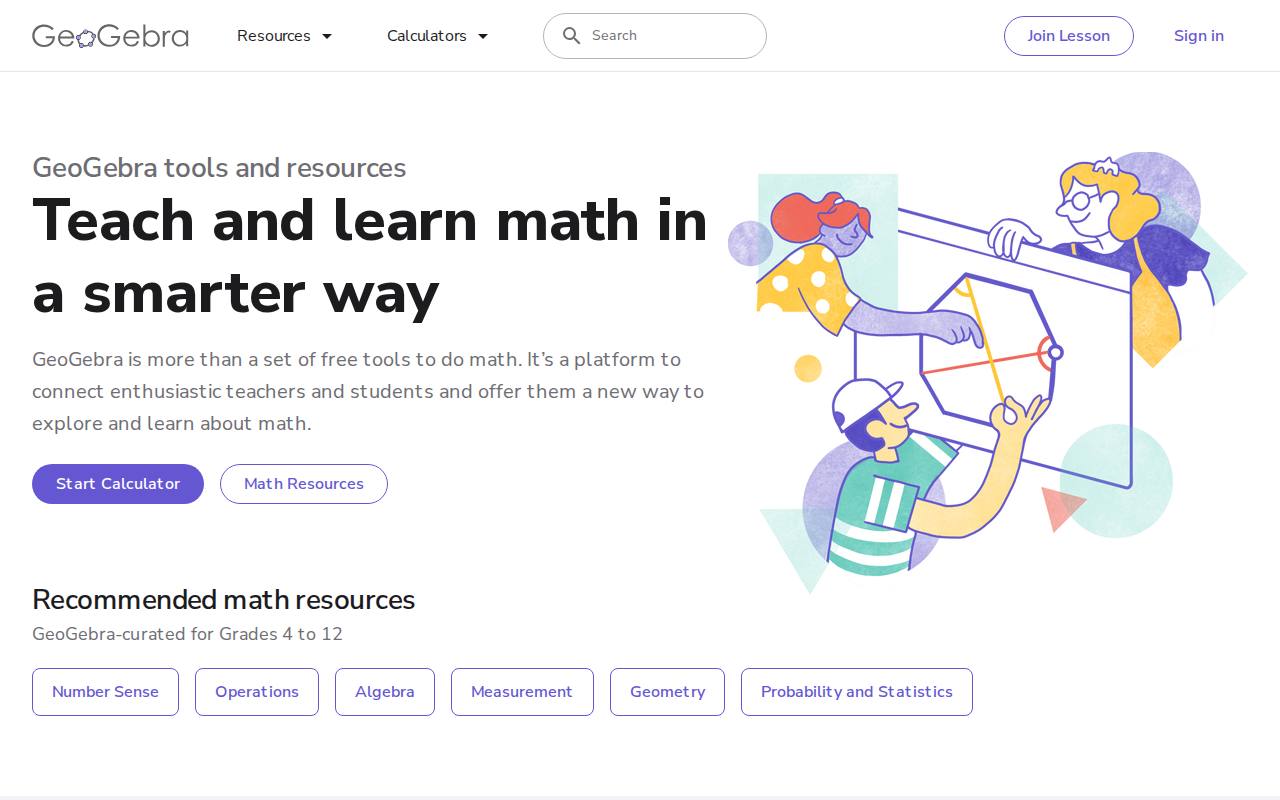
The EU alternatives split cleanly by use case. GeoGebra's CAS (Austria) handles symbolic algebra and calculus interactively, free, and EU-hosted with self-hosting available. Xcas (France) is the open-source CAS with genuine depth — used inside professional calculators — and covers everything from secondary school algebra to graduate-level symbolic computation. WIRIS (Spain) is the institutional option: LMS integration, automated grading, semantic evaluation, and handwriting recognition, aimed at educators building assessments rather than students solving one-off problems. For engineers and scientists, Numbat (Germany) and Insect (Germany) offer unit-aware calculation with precision that Cymath never attempts.
Where each alternative is built, owned and hosted
Read the billing unit, deployment scope and supporting evidence. Missing documentation is not a negative finding. On small screens, scroll the table sideways.
| Product | Pricing and billing unit | Data and deployment scope | Self-hosting / Source code |
|---|---|---|---|
| Euler Mathematical ToolboxView evidence → | Catalog information: FreeNot documented here | Not documented here | Self-hosting Not documented hereSource code Not documented here |
| fxSolverView evidence → | Catalog information: FreeNot documented here | Not documented here | Self-hosting Not documented hereSource code Not documented here |
| GeoGebraView evidence → | Catalog information: FreemiumNot documented here | Not documented here | Self-hosting Not documented hereSource code Not documented here |
| KAlgebraView evidence → | Catalog information: FreeNot documented here | Not documented here | Self-hosting Not documented hereSource code Not documented here |
| Mattegrafenby the founderView evidence → | Catalog information: FreemiumNot documented here | Not documented here | Self-hosting Not documented hereSource code Not documented here |
| NumWorksView evidence → | Catalog information: FreemiumNot documented here | Not documented here | Self-hosting Not documented hereSource code Not documented here |
| XcasView evidence → | Catalog information: FreeNot documented here | Not documented here | Self-hosting Not documented hereSource code Not documented here |
Euler Mathematical Toolbox
deFree, open-source numerical and symbolic mathematics software with advanced plotting capabilities
- Catalog information
fxSolver
deFree, cloud-based algebraic equation solver with integrated graphing for engineers and scientists.
- Catalog information
GeoGebra
atInteractive mathematics software bringing geometry, algebra, graphing, and calculus into one platform.
- Catalog information
KAlgebra
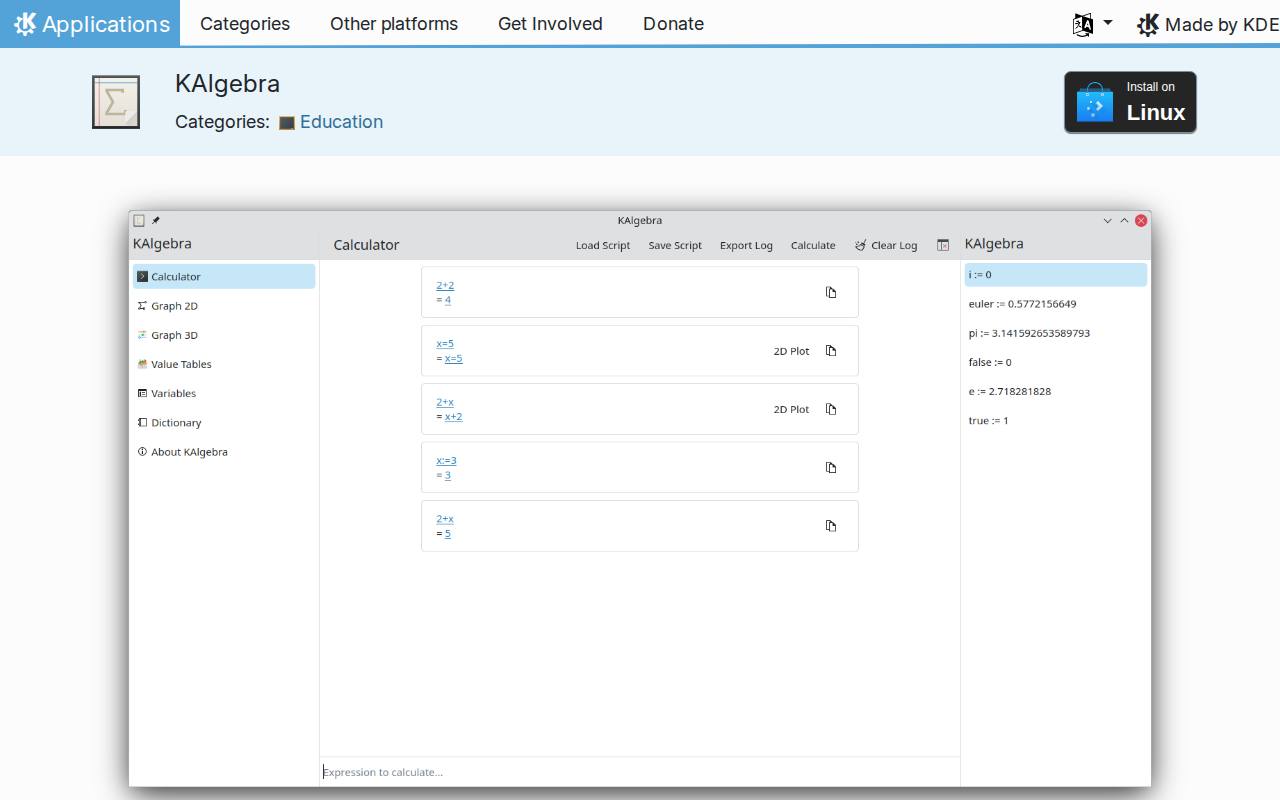
deFree and open-source math solver with 2D/3D graphing capabilities
- Catalog information
 Mattegrafen
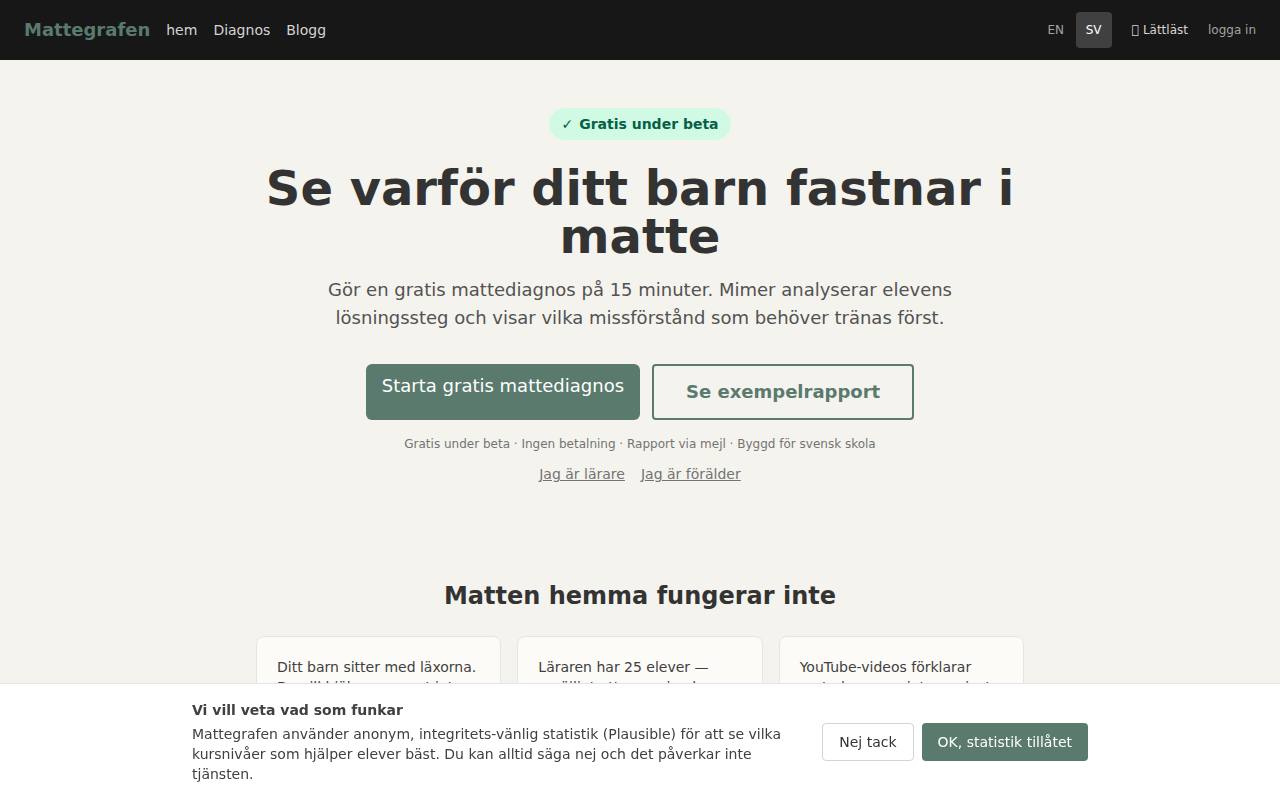
seAI math tutor for Swedish students (Lgr22 + Gy25).
- Catalog information
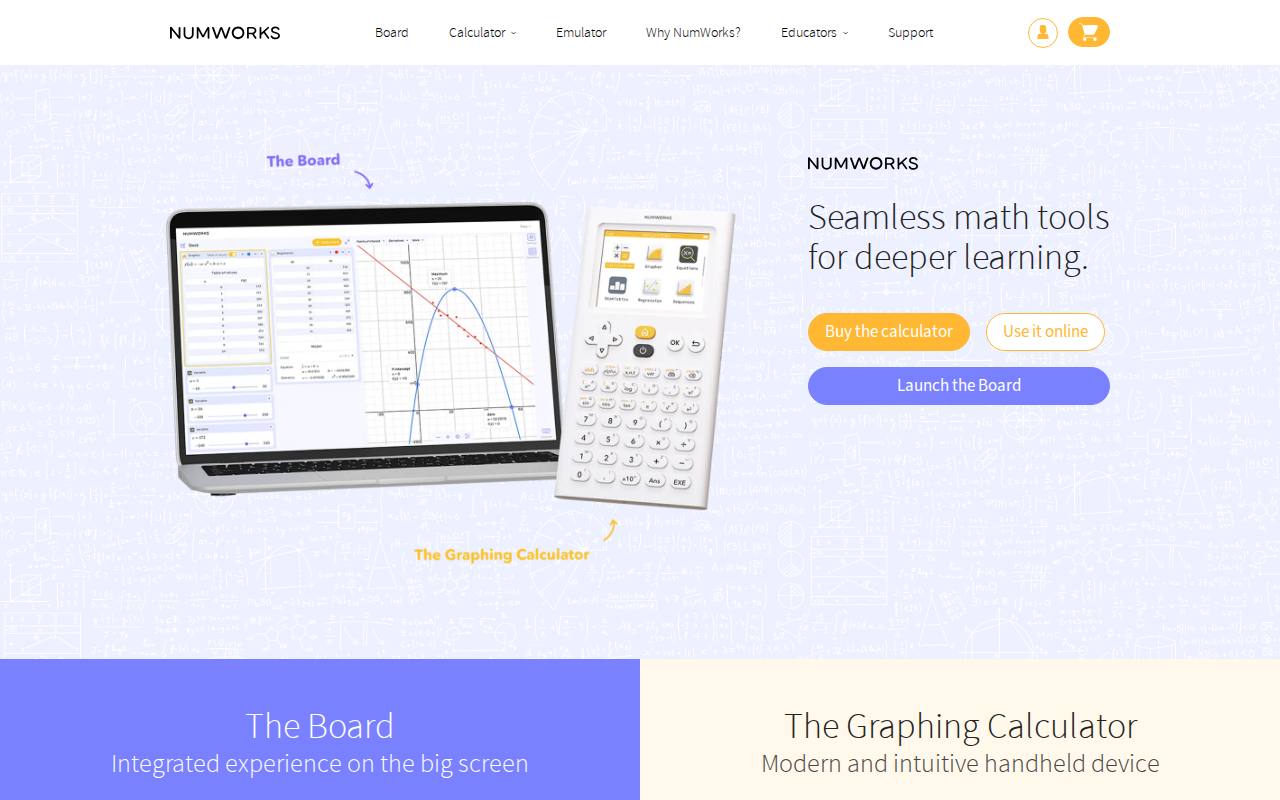
NumWorks
frIntuitive, exam-approved graphing calculator ecosystem for modern math education.
- Catalog information
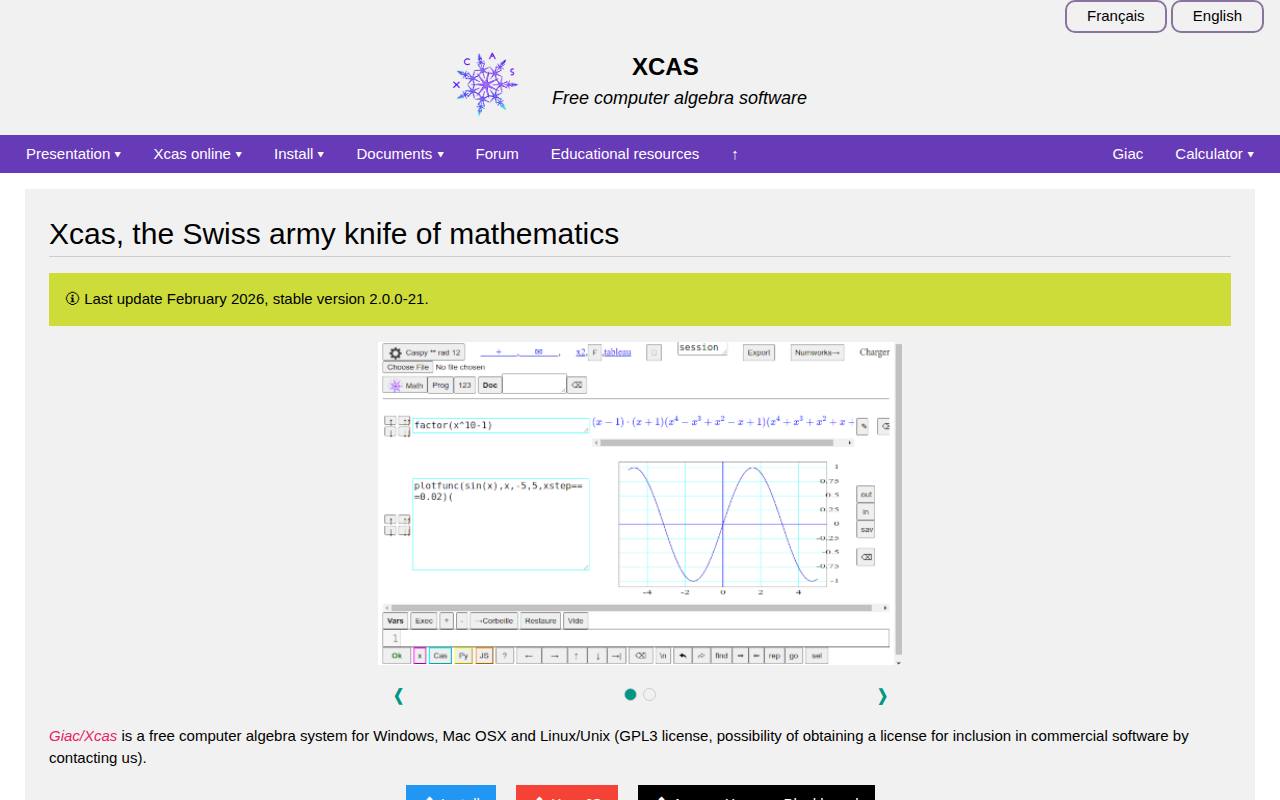
Xcas
frFree, open-source computer algebra system with integrated graphing and interactive geometry.
- Catalog information
Our honest take
GeoGebra CAS is the most accessible EU-hosted step-solver for students — interactive, free, browser-based, and covering the same algebra and calculus range Cymath targets. Xcas is the pick if you want genuine symbolic depth or open-source auditability; it's harder to use but significantly more capable. WIRIS wins for schools and educators building structured math assessment with LMS integration and automated grading — Cymath doesn't touch that use case at all. Numbat and Insect are for engineers and scientists who need unit-aware precision computation; a different audience, but worth naming if that's you.
Mattegrafen's honest position: it's an EU-hosted math solver and grapher aimed at Swedish and EU students, which puts it in the same rough market as Cymath. For a student who wants their data to stay in Europe and wants a solver that's actively maintained under EU governance, Mattegrafen is a fair swap. But it's a focused tool — it doesn't have Cymath's breadth of step-by-step coverage across all algebra topics, and it isn't trying to be a full learning platform with curriculum scaffolding. If you're leaving Cymath specifically over EU data concerns, Mattegrafen is worth trying. If you're leaving because the explanations were too shallow, GeoGebra or Xcas will serve you better.
Related European alternatives
Browse related categories
What we compare
- Where the data is stored
- Who owns the company
- Documented data and deployment scope
- Self-hosting option
- Open source
- Pricing model