European alternatives to Rytr
Rytr is an affordable AI content-generation platform that has accumulated a large user base on the strength of its low pricing and breadth of writing templates, but it is a US-incorporated product and its data-handling disclosures do not satisfy the documentation burden that GDPR-conscious European buyers now impose during procurement.
The central issue European evaluators raise with Rytr is the absence of verifiable EU data residency and the lack of third-party security certifications — no ISO 27001, no SOC 2 Type II, no DPA templates aligned with GDPR Article 28 requirements — in its publicly available documentation. For a solo freelancer operating outside regulated sectors this may be an acceptable trade-off; for a marketing team at a company subject to supervisory audit, or any organisation processing personal data of EU data subjects as part of its content workflow, the compliance posture is materially inadequate. The GDPR's accountability principle places the burden of demonstrating compliance on the controller, which means the absence of documented safeguards from a vendor is a liability, not a neutral fact.
Rytr's competitive position has also been eroded by the maturation of the EU-based market. When Rytr launched, EU alternatives with comparable AI content-generation breadth were sparse; that is no longer the case. Neuroflash, LanguageTool, and TextCortex now offer overlapping template-based content generation from European jurisdictions, which removes the practical argument that staying with Rytr represents the only path to rapid, affordable copy.
A third consideration is segment fit. Rytr is explicitly positioned at solo creators and micro-businesses that need fast, template-driven output across blog posts, ad copy, product descriptions, and social content. Buyers who have grown beyond that profile — agencies, mid-market marketing departments, teams requiring brand-consistency controls or audience-validation tools — consistently report that Rytr's feature ceiling is reached quickly, and the migration cost to a more capable platform is non-trivial once content workflows have been built around it.
Where each alternative is built, owned and hosted
Read the billing unit, deployment scope and supporting evidence. Missing documentation is not a negative finding. On small screens, scroll the table sideways.
| Product | Pricing and billing unit | Data and deployment scope | Self-hosting / Source code |
|---|---|---|---|
| DeepL WriteView evidence → | Catalog information: FreemiumNot documented here | Not documented here | Self-hosting Not documented hereSource code Not documented here |
| Duden MentorView evidence → | Catalog information: FreeNot documented here | Not documented here | Self-hosting Not documented hereSource code Not documented here |
| LanguageToolView evidence → | Catalog information: FreemiumNot documented here | Not documented here | Self-hosting Not documented hereSource code Not documented here |
| LudwigView evidence → | Catalog information: FreemiumNot documented here | Not documented here | Self-hosting Not documented hereSource code Not documented here |
| NeuroflashView evidence → | Catalog information: FreemiumNot documented here | Not documented here | Self-hosting Not documented hereSource code Not documented here |
| ProWritingAidView evidence → | Catalog information: FreemiumNot documented here | Not documented here | Self-hosting Not documented hereSource code Not documented here |
| ScribbrView evidence → | Catalog information: FreemiumNot documented here | Not documented here | Self-hosting Not documented hereSource code Not documented here |
| Språkmotorby the founderView evidence → | Catalog information: FreeNot documented here | Not documented here | Self-hosting Not documented hereSource code Not documented here |
| TextCortexView evidence → | Catalog information: FreemiumNot documented here | Not documented here | Self-hosting Not documented hereSource code Not documented here |
| TextmetricsView evidence → | Catalog information: ContactNot documented here | Not documented here | Self-hosting Not documented hereSource code Not documented here |
| WritefullView evidence → | Catalog information: FreemiumNot documented here | Not documented here | Self-hosting Not documented hereSource code Not documented here |
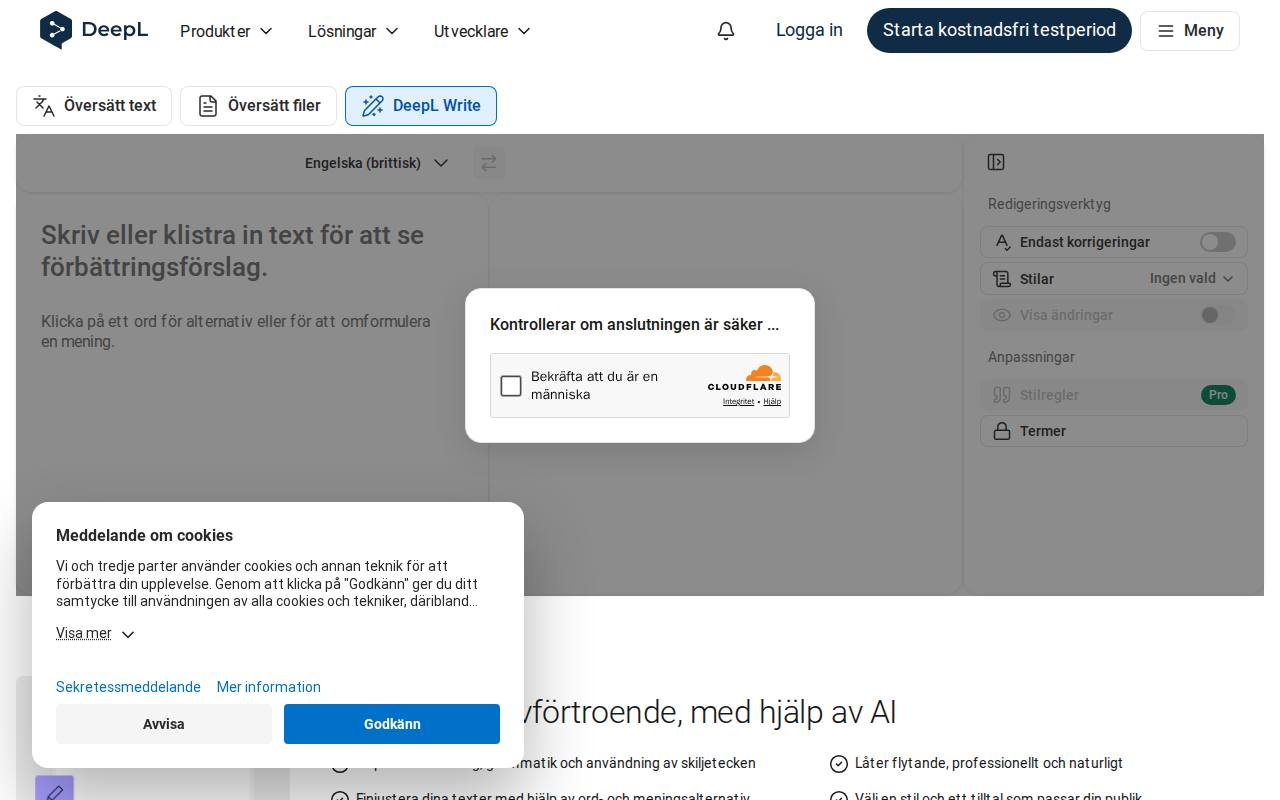
DeepL Write
deAI writing companion for professional communication with full EU data protection.
- Catalog information
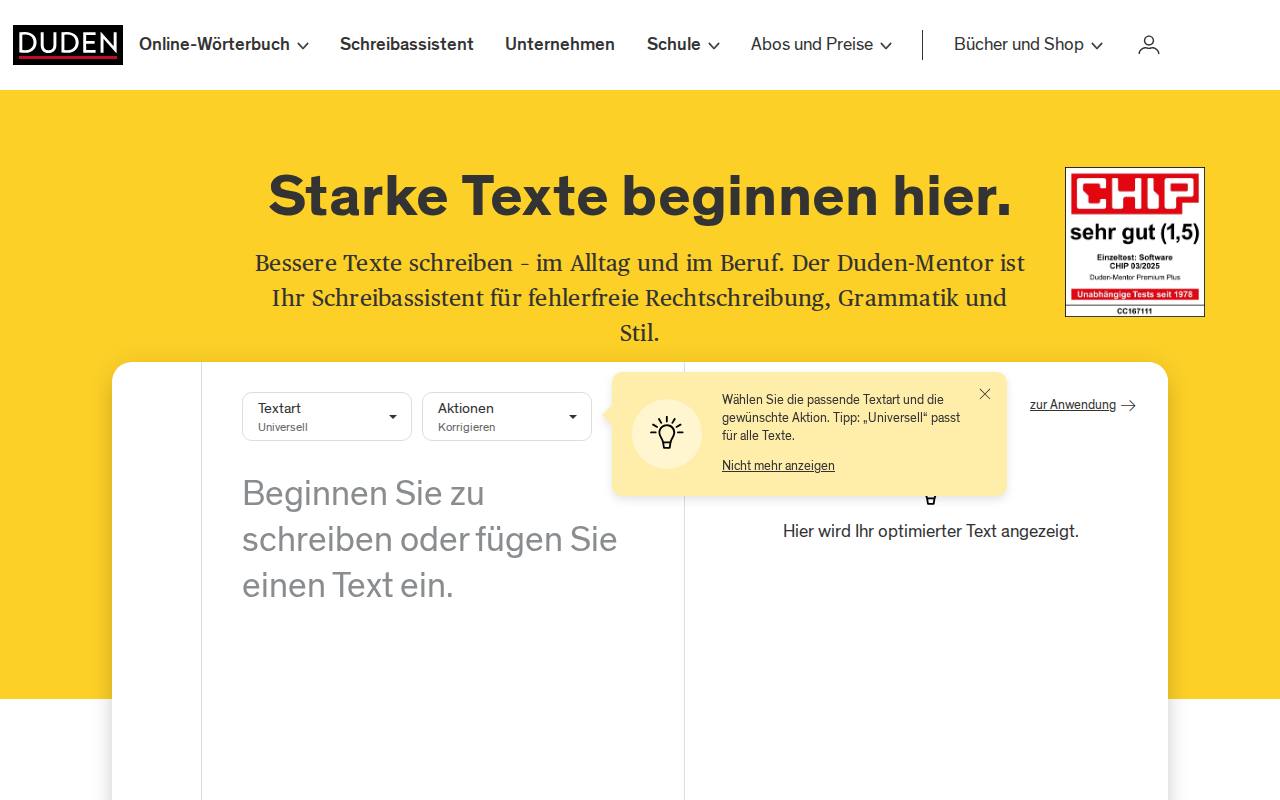
Duden Mentor
deFree online German spell checker powered by Duden's authoritative language standards
- Catalog information
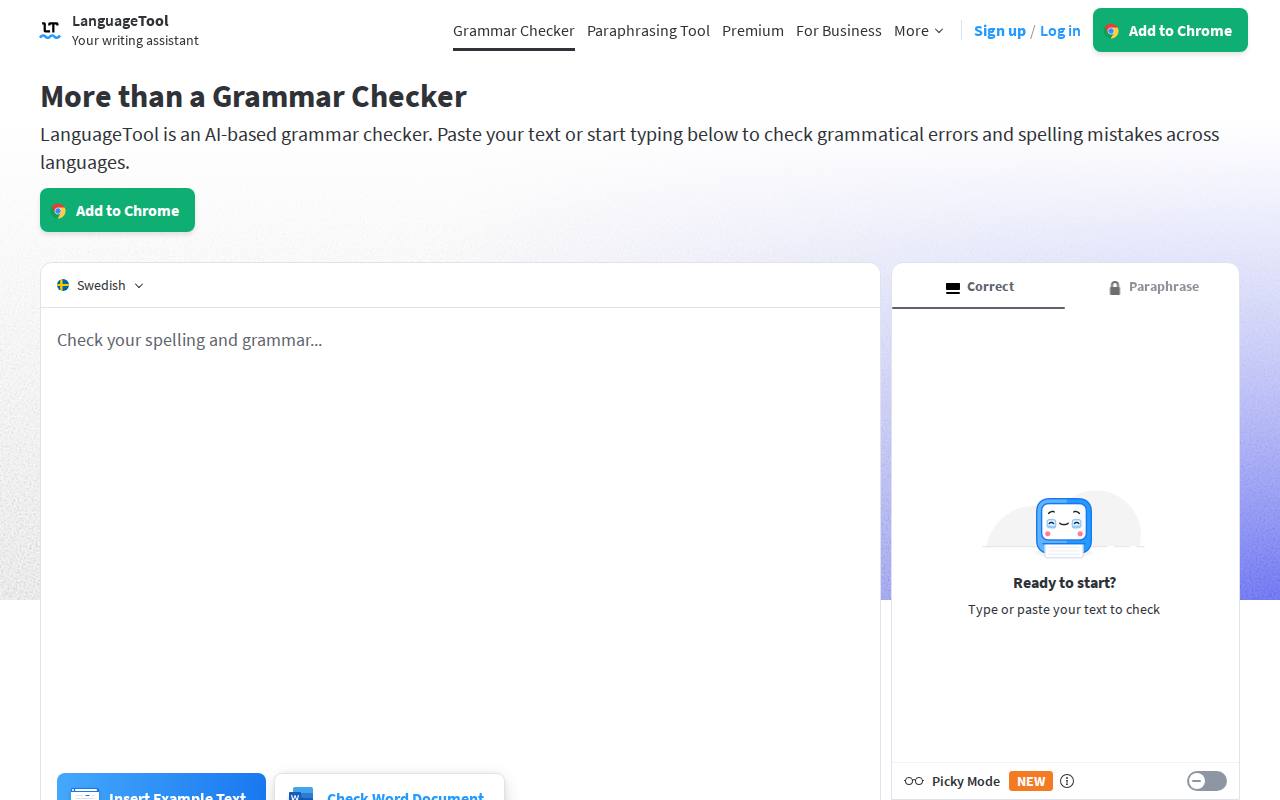
LanguageTool
deAI-powered grammar, style, and paraphrasing assistant for professional writers across 30+ languages.
- Catalog information
Ludwig
itEuropean AI writing assistant helping you write better English with contextual examples from real publications.
- Catalog information
Neuroflash
deAI-powered content creation with Digital Twins for confident marketing validation
- Catalog information

ProWritingAid
gbThe essential toolkit for writers to improve their craft with AI-powered analysis and feedback.
- Catalog information

Scribbr
nlAI-powered academic writing assistant combining automated proofreading with human expert editing.
- Catalog information
 Språkmotor
seSweden's language platform — text improvement, crosswords, language data.
- Catalog information

TextCortex
deBerlin-based AI writing platform providing free and paid natural language generation tools for content creation.
- Catalog information

Textmetrics
nlContent quality management platform that enforces organizational writing standards and compliance rules in real-time.
- Catalog information
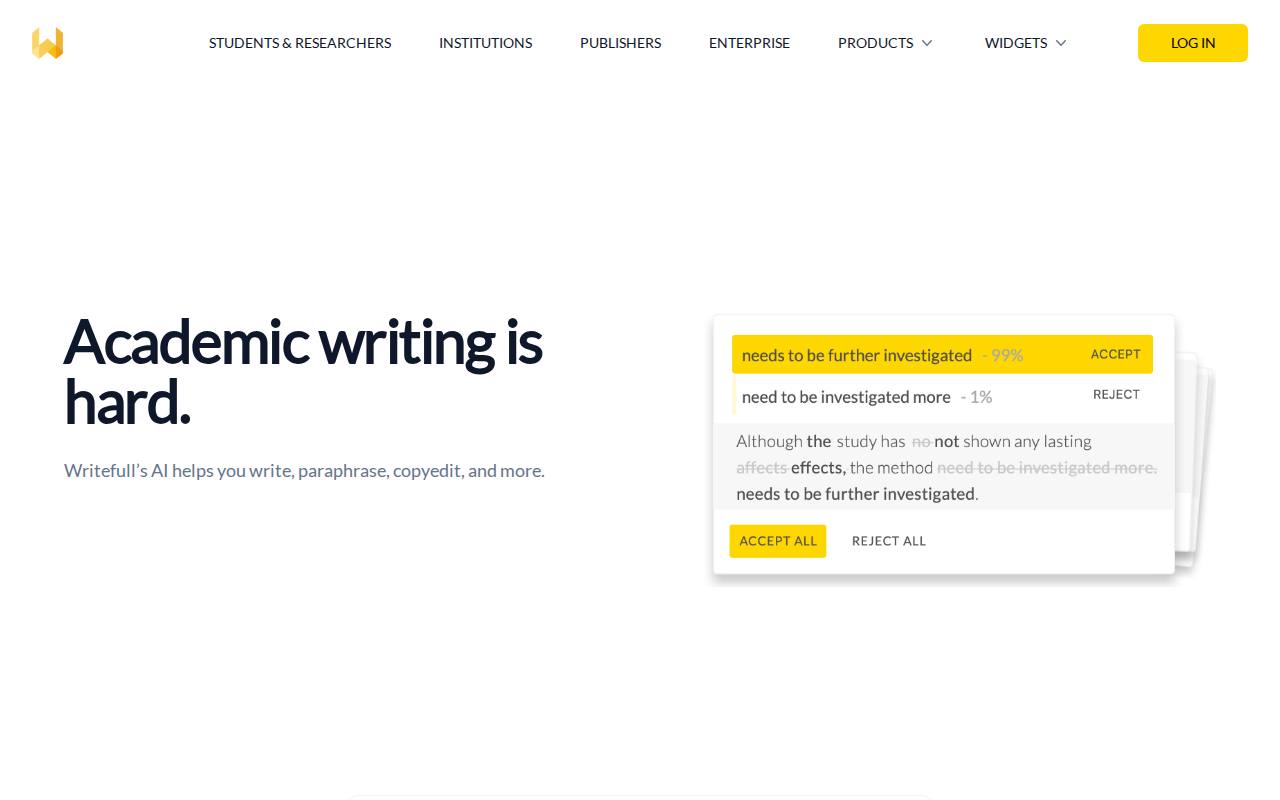
Writefull
nlAI writing assistant trained on academic journals, not general web text.
- Catalog information
Our honest take
Neuroflash is the most architecturally comparable EU alternative for marketing teams and agencies: it combines content generation with audience-validation tooling (Digital Twins), is ISO 27001 certified, operates on German servers, and covers the same broad template categories that Rytr users depend upon. For teams whose primary use case is multilingual blog and long-form content, LanguageTool's AI-powered paraphrasing and style analysis — available as a self-hosted deployment for maximum data control — represents a technically rigorous option, particularly where open-source auditability matters to the organisation's information security function. TextCortex offers a freemium entry point with open-source SDKs and broad content-type coverage, though its data-residency status is not publicly documented with the same rigour as Neuroflash or DeepL Write, which buyers should verify independently before committing.
Språkmotor addresses a narrower slice of the Rytr audience: EU writers who primarily need AI-assisted writing improvement and grammar assistance rather than high-volume template-based copy generation. It does not replicate Rytr's template library, ad-copy generators, or bulk-output workflow, and any buyer whose primary need is rapid content creation at scale should look first at Neuroflash or LanguageTool. Språkmotor is a credible choice only where the buyer's need is precisely EU-hosted writing quality assistance and the broader content-generation capabilities of Rytr were either unused or secondary.
Related European alternatives
Browse related categories
What we compare
- Where the data is stored
- Who owns the company
- Documented data and deployment scope
- Self-hosting option
- Open source
- Pricing model