European alternatives to Labdoor
Labdoor built its reputation on lab-tested purity scores for supplements sold in the US market — but if you're based in Europe, you've probably noticed that most of what they test isn't available here, and the data lives on US servers under US privacy rules.
The main frustration European users report with Labdoor isn't the science — it's the geography. Their tested products skew heavily toward North American brands and retail channels. You can spend twenty minutes reading a detailed Labdoor report on a product you simply cannot buy in Germany or Sweden, and the EU alternatives that are available on your shelves go untested. That's not a niche complaint; it's the core problem.
There's also a data residency question that matters more and more for European buyers and institutions. Labdoor is a US-based company operating under US data law. For individuals that's a minor irritant; for any health professional or institutional researcher who needs to stay within GDPR-compliant tooling, it's a blocker. The product works, but it wasn't built with the European regulatory environment in mind.
Finally, Labdoor's model is built around lab-testing purchased products — which is genuinely valuable, but narrow. It tells you whether a product contains what it claims. It doesn't give you interaction data, regulatory context across EU member states, herbal medicine guidance, or the kind of evidence-based editorial commentary that helps you decide whether an ingredient is worth taking at all. European users looking for that fuller picture need to stitch together several sources.
Where each alternative is built, owned and hosted
| Product | Built in | Data location | EU-owned | Self-hostable | Open source | Best for | Pricing |
|---|---|---|---|---|---|---|---|
| ESCOP MonographsHealthcare professionals and academic researchers seeking evidence-based herbal medicine guidance. | gb | Unknown | ✓ | – | – | SME+Enterprise | Freemium |
| Informed Choice (LGC)Supplement brands and retailers needing credible third-party safety certification | gb | Unknown | – | – | – | SME+Enterprise | Freemium |
| Kosttillskottsguiden· by the founder | se | EU | ✓ | – | – | — | Free |
| Pharmaceutical Press Herbal Medicines and Dietary SupplementsHealthcare professionals and institutional buyers seeking evidence-based herbal medicine and supplement reference data with integrated interaction checking. | gb | Mixed | ✓ | – | – | SME+Enterprise | Contact |
| PHYDGIHealthcare practitioners and pharmacists needing evidence-based herb-drug interaction guidance | fr | Mixed | ✓ | – | – | SME+Enterprise | Contact |
| Stiftung WarentestConsumers and businesses seeking independent product quality verification before purchase decisions | de | EU | ✓ | – | – | SME+Enterprise | Freemium |
| Supplement-Bewertung.deFitness enthusiasts seeking independent, science-backed supplement reviews and purchase guidance | de | EU | ✓ | – | – | SME | Free |
| Supplemento.deHealth-conscious consumers and practitioners seeking scientifically-validated supplement quality assessments | de | Mixed | ✓ | – | – | SME | Freemium |
ESCOP Monographs
gbEuropean scientific consensus on herbal medicinal products for healthcare professionals and researchers.
- EU-owned
Informed Choice (LGC)
gbThird-party certification and testing for dietary supplement safety and quality assurance.
Kosttillskottsguiden
seGuide to dietary supplements, in Swedish.
- Data: EU
- GDPR-native
- EU-owned
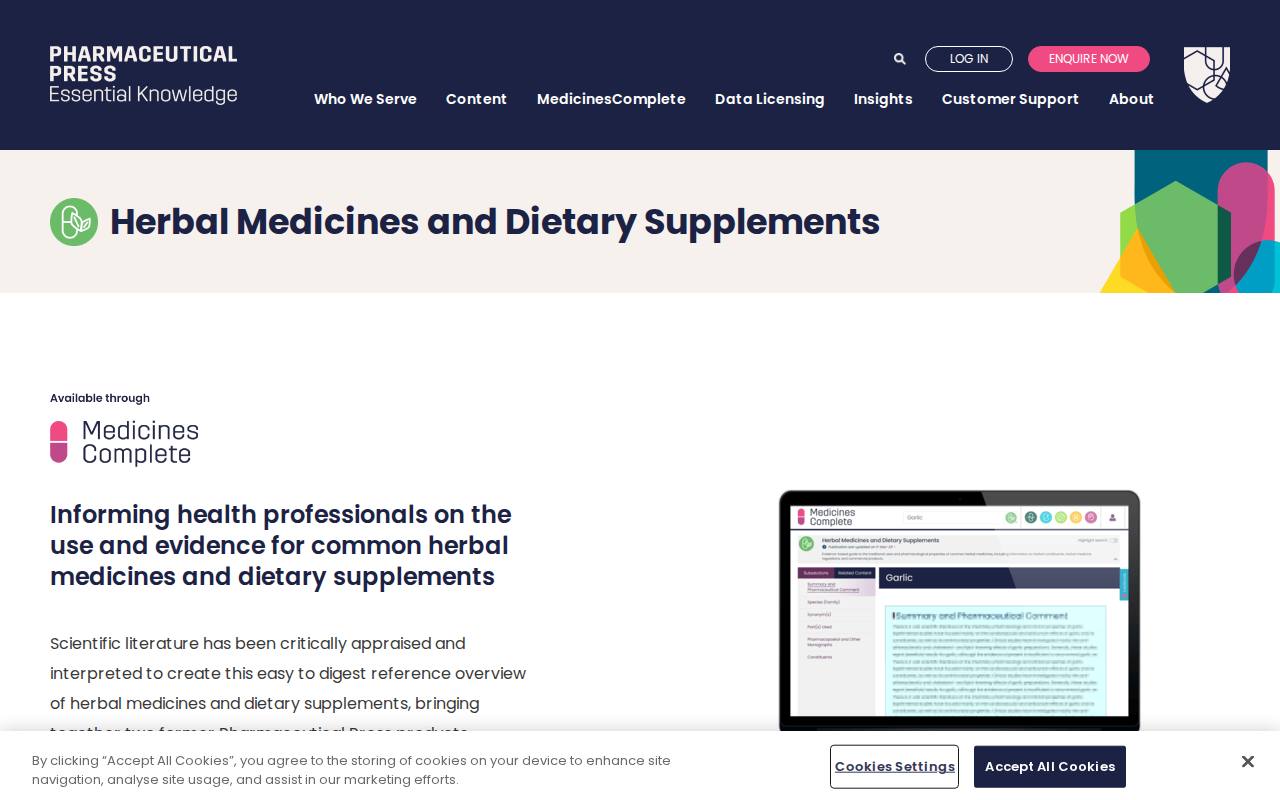
Pharmaceutical Press Herbal Medicines and Dietary Supplements
gbEvidence-based reference tool for herbal medicines and dietary supplements integrated within MedicinesComplete platform.
- Data: Mixed
- GDPR-native
- EU-owned
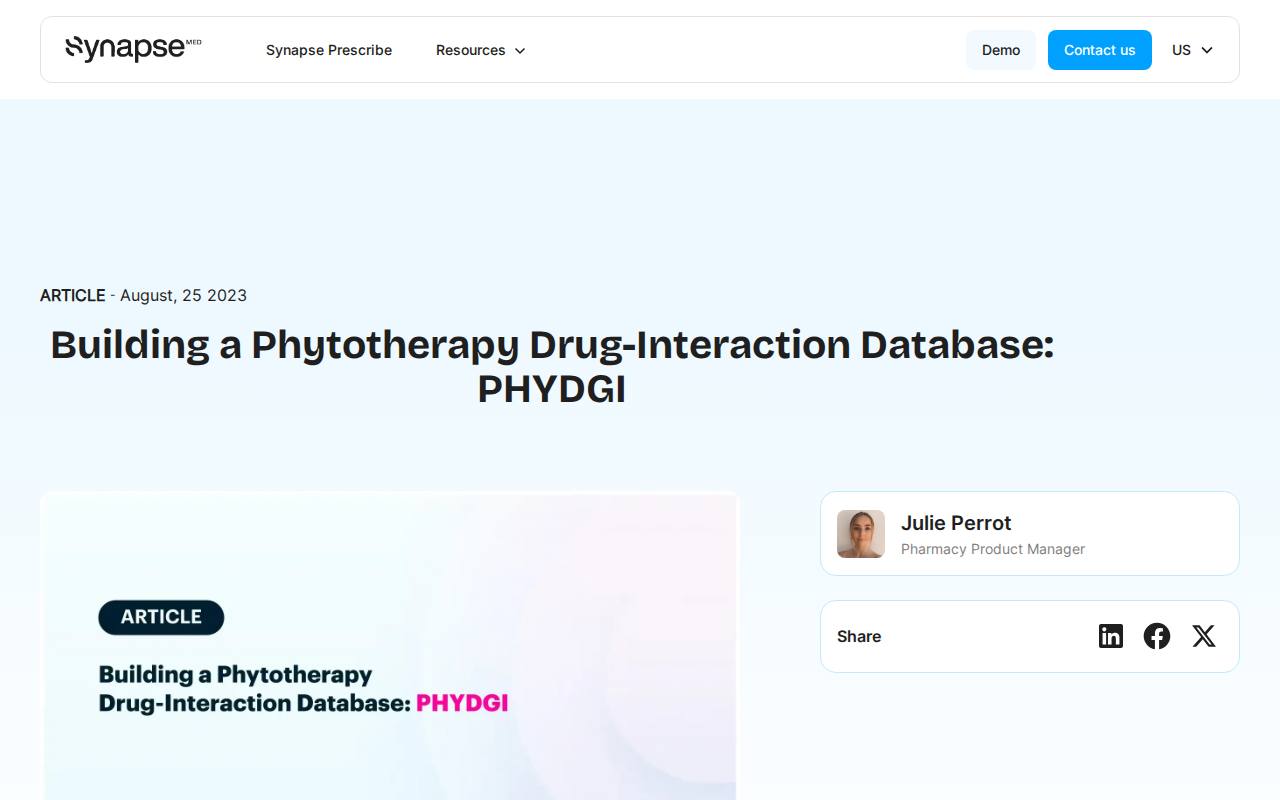
PHYDGI
frA validated herb-drug interaction database developed by French research institutions and integrated into clinical prescribing workflows.
- Data: Mixed
- EU-owned
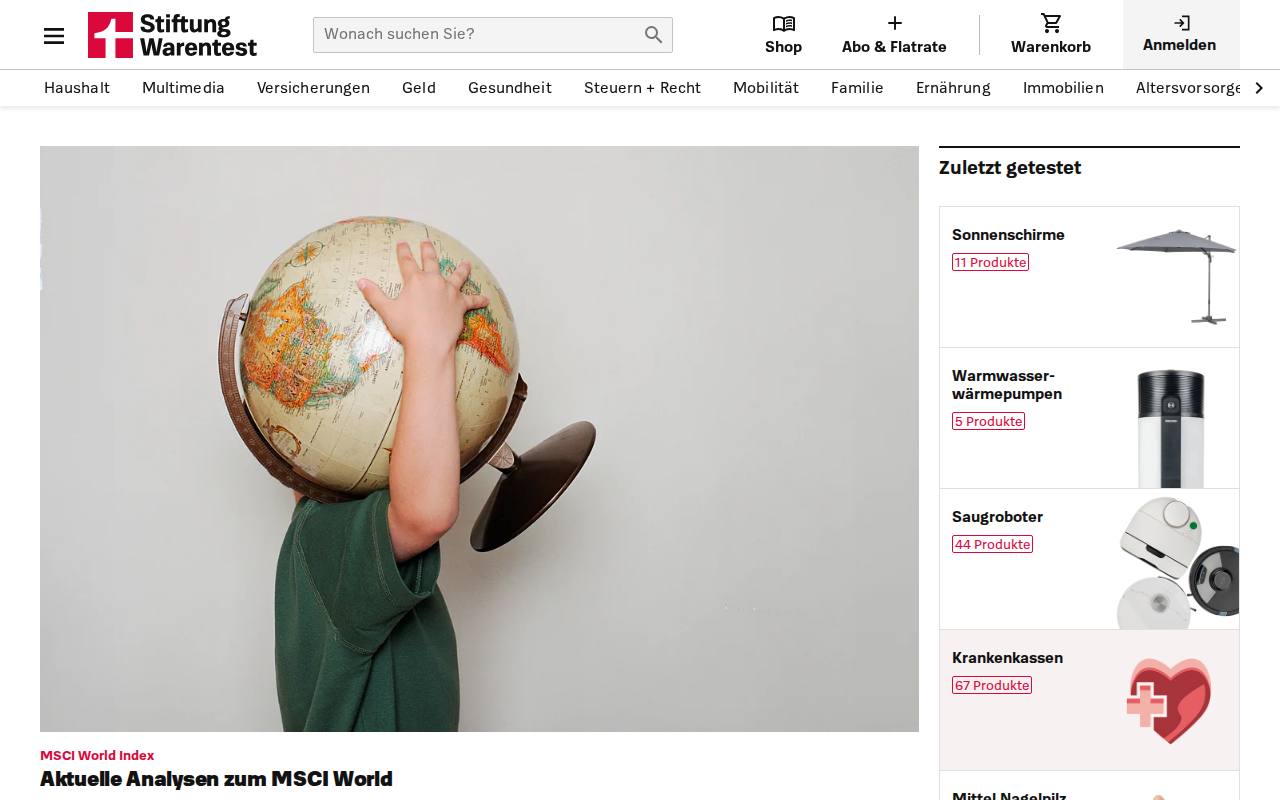
Stiftung Warentest
deGermany's trusted independent product testing foundation delivering unbiased consumer research since 1964.
- Data: EU
- GDPR-native
- EU-owned
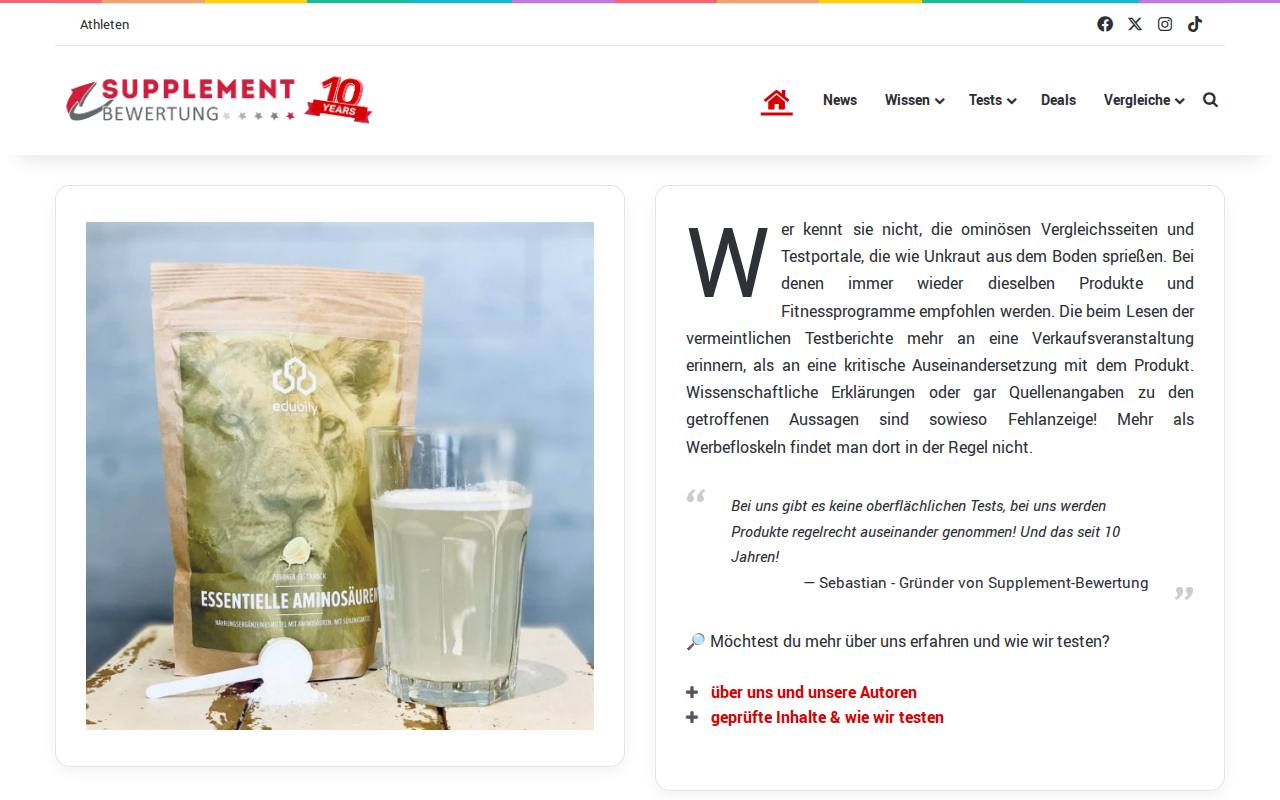
Supplement-Bewertung.de
deIndependent German supplement testing platform delivering science-backed reviews and honest product evaluations.
- Data: EU
- GDPR-native
- EU-owned
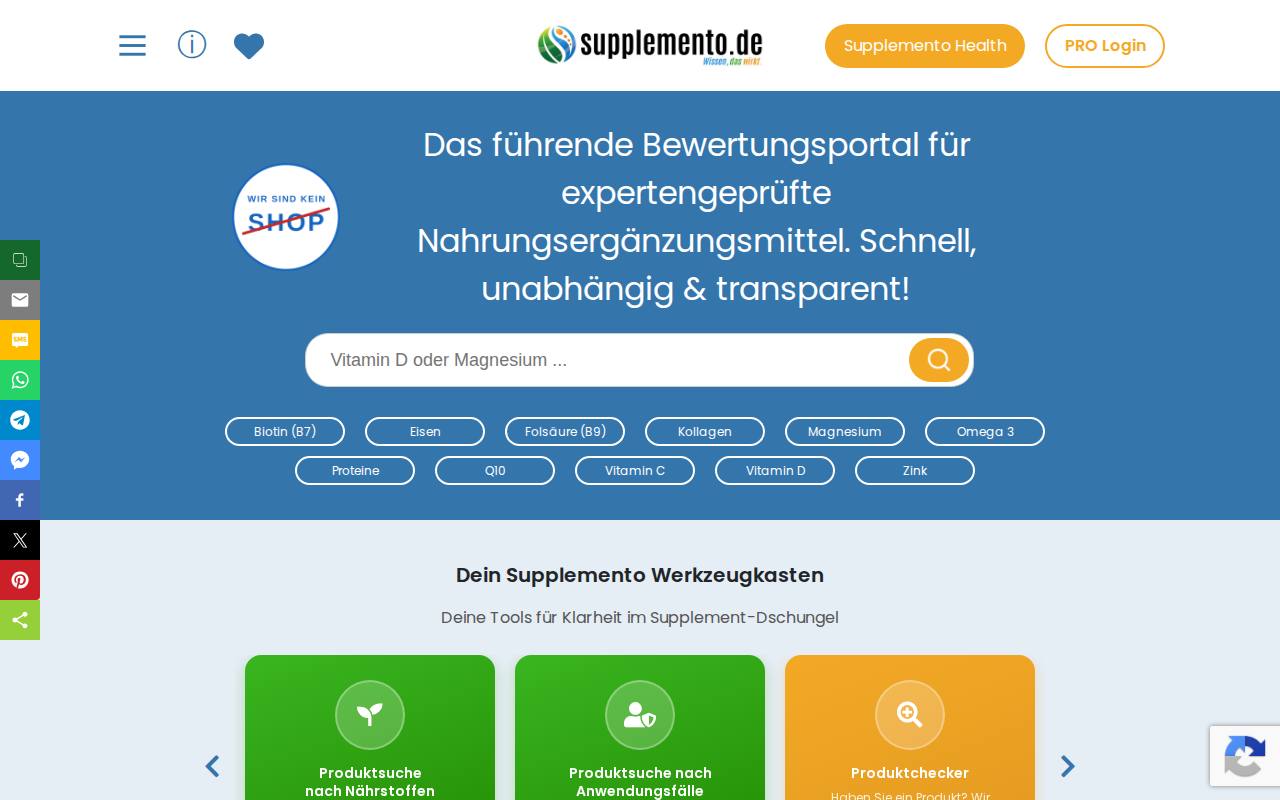
Supplemento.de
deIndependent scientific assessment platform for dietary supplement quality and efficacy.
- Data: Mixed
- GDPR-native
- EU-owned
Our honest take
If what you need is independent lab verification that a supplement contains what the label says — and you're selling to or buying in a European market — Stiftung Warentest is the closest structural equivalent: ad-free, independent, German, EU-hosted, with a 60-year track record of anonymous product purchasing and testing. It covers far more than supplements, but its methodology is rigorous and its results are actionable for European consumers. For manufacturer-side certification with EU reach, Tentamus Group covers lab testing across 40 countries with 96 accredited labs.
If you're after the editorial ingredient-research layer that Labdoor partly provides alongside its lab scores, Supplement-Bewertung.de is worth a look — 10 years of independent, peer-reviewed assessments with hands-on testing and no advertiser influence, squarely aimed at the German-speaking fitness audience. For interaction checking specifically, Supplemento.de has a real-time micronutrient and drug-nutrient interaction tool that Labdoor doesn't offer at all.
Kosttillskottsguiden fits here if you want EU-hosted, evidence-based information about what an ingredient actually does — grounded in research rather than marketing. It's free, it's built for European users, and it takes GDPR seriously by default. Where it loses to Labdoor plainly: it doesn't do lab testing or purity scoring. It won't tell you whether a specific product batch contains what it claims. If that purity-verification use case is what brought you to Labdoor, Kosttillskottsguiden won't replace it — Stiftung Warentest or a lab like Tentamus will get you closer.
Frequently asked questions
- Why look for European alternatives to Labdoor?
- Compare Labdoor with European alternatives by workflow, company ownership and documented data location. Check the current provider terms and hosting options before deciding which product fits your requirements.
- How many of these alternatives are EU-owned and GDPR-native?
- Of the 8 European alternatives listed for Labdoor, 7 are marked EU-owned and 5 are marked GDPR-native on LaunchRadar.
- Where do these alternatives store data?
- Listed data locations for European alternatives to Labdoor: Unknown, EU, Mixed. Check each product page for the latest residency details.
- What does LaunchRadar compare on these pages?
- We compare where each alternative is built, who owns it, GDPR-native design, self-hosting, open source and pricing — so you can pick a European option that fits your risk and workflow.
Related European alternatives
Browse related categories
What we compare
- Where the data is stored
- Who owns the company
- GDPR-native by design
- Self-hosting option
- Open source
- Pricing model