European alternatives to Rocket Lawyer
Rocket Lawyer is a US-headquartered legal-services platform offering document templates, lawyer access, and business registration across multiple jurisdictions — but its data infrastructure, governing law, and coverage model raise material concerns for European organisations operating under GDPR, Schrems II, and sector-specific data-residency obligations.
The central difficulty for European buyers evaluating Rocket Lawyer is jurisdictional: the platform is incorporated in the United States and, absent a convincing data-processing agreement with verified EU-only storage, organisations subject to GDPR must assess whether personal data processed through the service — including employee details embedded in employment contracts — could be exposed to US surveillance statutes such as FISA Section 702 or Executive Order 12333. Following the Court of Justice of the European Union's invalidation of Privacy Shield in Schrems II (C-311/18), and given ongoing scrutiny of Standard Contractual Clauses as a standalone transfer mechanism, legal and compliance teams in regulated sectors (financial services under DORA, healthcare, critical infrastructure) face a non-trivial due-diligence burden before committing to any US-domiciled legal-tech vendor.
Beyond the data-transfer question, Rocket Lawyer's value proposition rests on breadth: it covers multiple jurisdictions, offers generic document libraries, and provides on-demand access to a lawyer network. For many European SMEs, particularly those operating across several member states, this breadth is precisely what they need. However, breadth entails a trade-off — jurisdiction-specific depth, particularly for the more intricate employment-law frameworks found in Nordic countries (Sweden's LAS, MBL, and collective-agreement structures; Norway's arbeidsmiljøloven), is typically thinner than what a nationally specialised tool provides. Buyers who need reliable AI-assisted analysis of a specific national labour-law framework will generally find that horizontal platforms sacrifice accuracy for coverage.
Pricing structure is a further consideration. Rocket Lawyer operates on a subscription model with tiered access, and organisations that require occasional rather than continuous legal support may find the per-annum commitment disproportionate relative to what they actually consume. European alternatives — several of which offer freemium entry points, transparent per-session pricing, or usage-based models without fixed tiers — can offer more appropriate cost structures for SMEs that do not require a broad multi-jurisdictional document library.
Where each alternative is built, owned and hosted
| Product | Built in | Data location | EU-owned | Self-hostable | Open source | Best for | Pricing |
|---|---|---|---|---|---|---|---|
| aLexSwedish employers and employees needing quick legal guidance on employment matters. | se | Nordic | ✓ | – | – | SME+Enterprise | Freemium |
| Arbetslex· by the founder | se | EU | ✓ | – | – | — | Freemium |
| Avtalslex· by the founder | se | EU | ✓ | – | – | — | Paid |
| CONNY (Mehrabfindung)Individual employees seeking severance pay claims without upfront legal costs. | de | Mixed | ✓ | – | – | SME | Paid |
| DoctrineLegal professionals, law firms, and in-house counsel seeking AI-powered legal research across case law and employment law | fr | EU | – | – | – | SME+Enterprise | Contact |
| LeglyLegal teams and procurement officers needing rapid AI-powered contract risk analysis | se | EU | ✓ | – | – | SME+Enterprise | Freemium |
| LegoraEnterprise law firms and in-house legal teams automating complex legal workflows. | se | EU | ✓ | – | – | Enterprise | Contact |
| LexlySwedish companies needing affordable, accessible legal guidance and contract management without traditional law firm costs | se | EU | ✓ | – | – | SME+Enterprise | Freemium |
| LibraEnterprise legal teams needing AI-powered contract review and compliance analysis with German legal privilege protection | de | EU | ✓ | – | – | Enterprise | Paid |
| nu:legalSMEs and startups needing rapid, compliant employment law documents without in-house counsel. | de | EU | ✓ | – | – | SME | Freemium |
aLex
seSwedish digital labor law platform connecting employees and employers with qualified attorneys on-demand.
- Data: Nordic
- GDPR-native
- EU-owned
 Arbetslex
seSwedish employment-law analysis with vector search and LLM.
- Data: EU
- GDPR-native
- EU-owned
Avtalslex
seSource-grounded contract review against Swedish legal sources.
- Data: EU
- GDPR-native
- EU-owned
CONNY (Mehrabfindung)
deNo-cost legal platform for severance pay claims against unlawful termination in Germany.
- Data: Mixed
- EU-owned
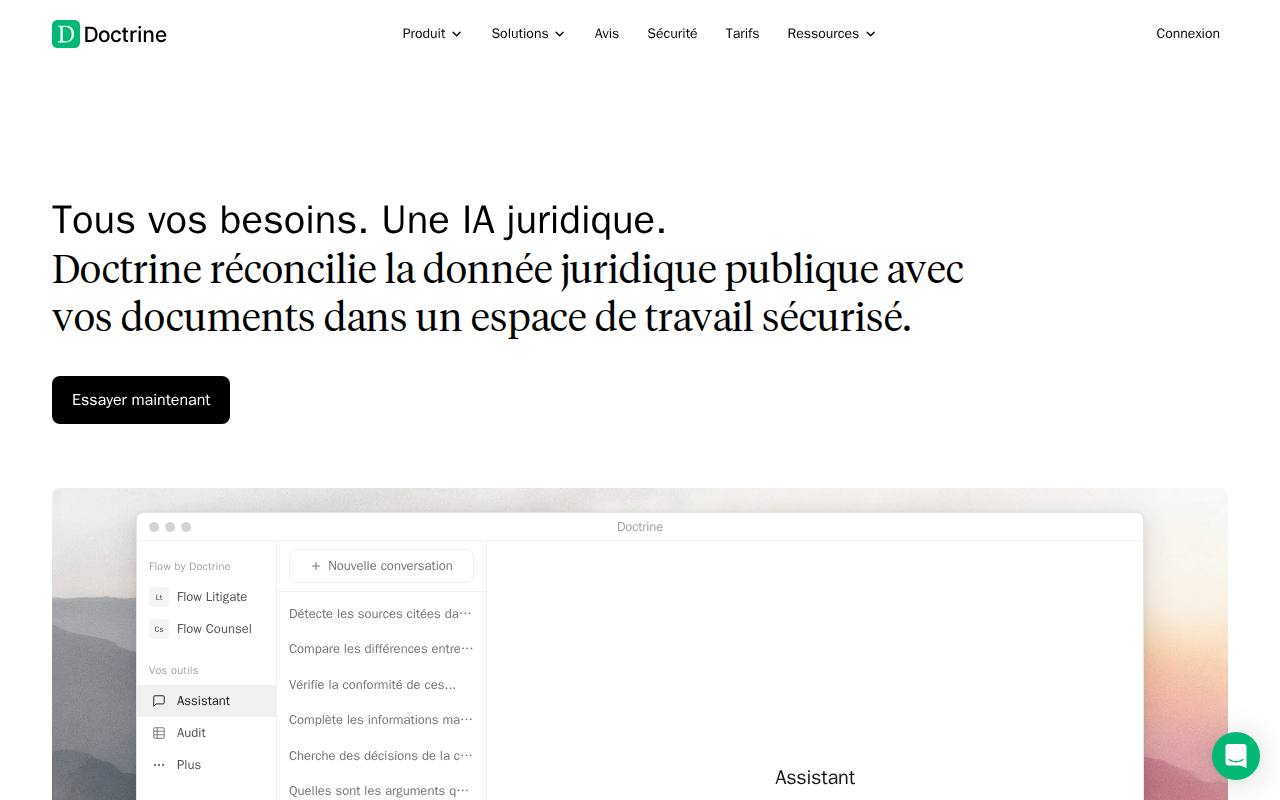
Doctrine
frAI-powered legal research and analytics platform for case law, legislation, and employment law across Continental Europe
- Data: EU
- GDPR-native
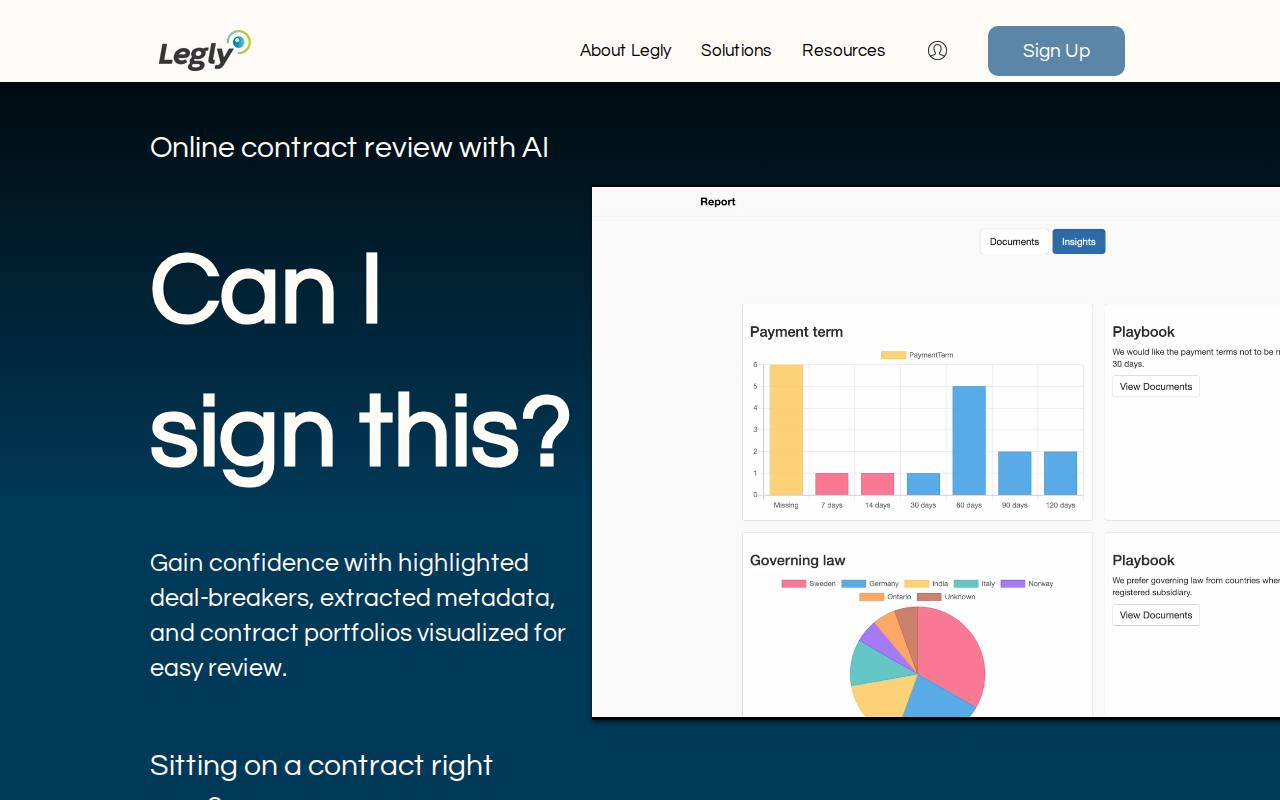
Legly
seAI-powered Swedish contract review platform with GDPR-native EU data residency.
- Data: EU
- GDPR-native
- EU-owned
Legora
seAI-powered legal operating system for enterprise law firms and in-house teams.
- Data: EU
- GDPR-native
- EU-owned
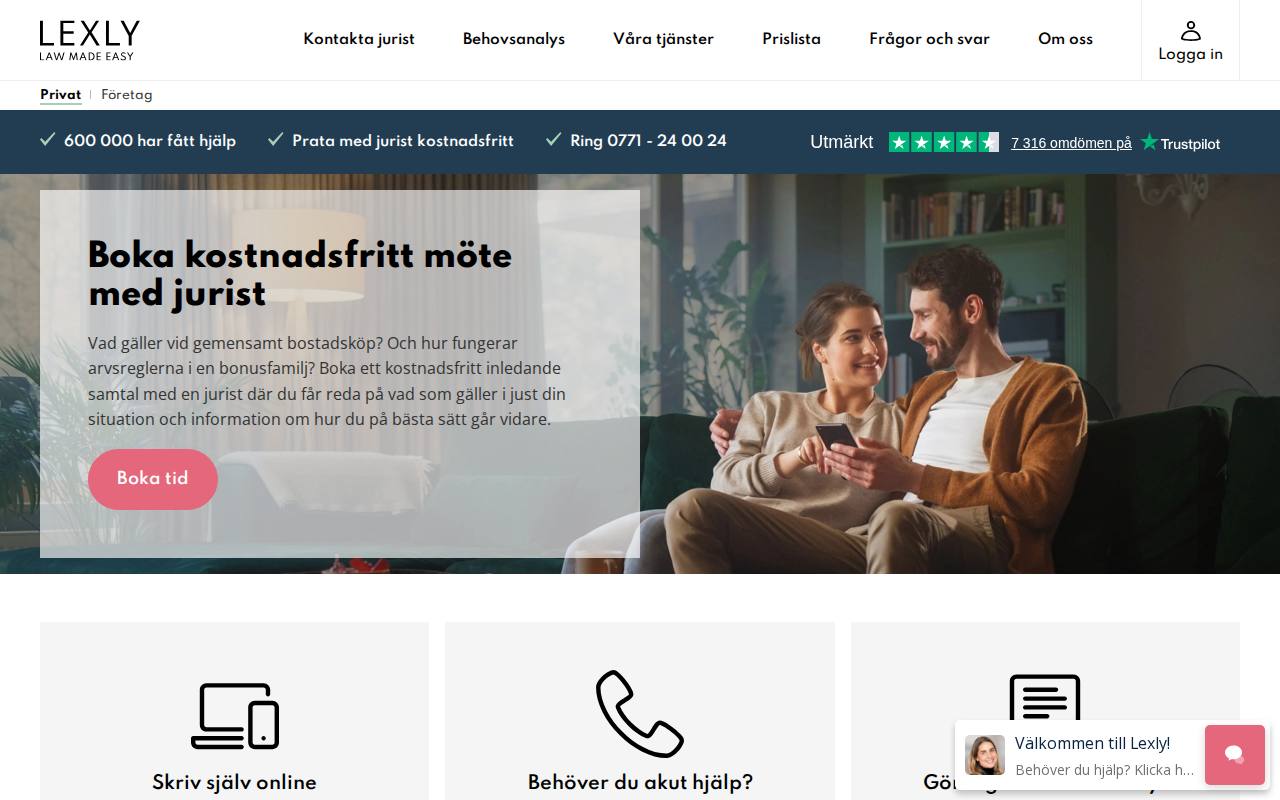
Lexly
seSwedish legal guidance platform combining AI, templates, and lawyer access for accessible, affordable legal services.
- Data: EU
- GDPR-native
- EU-owned
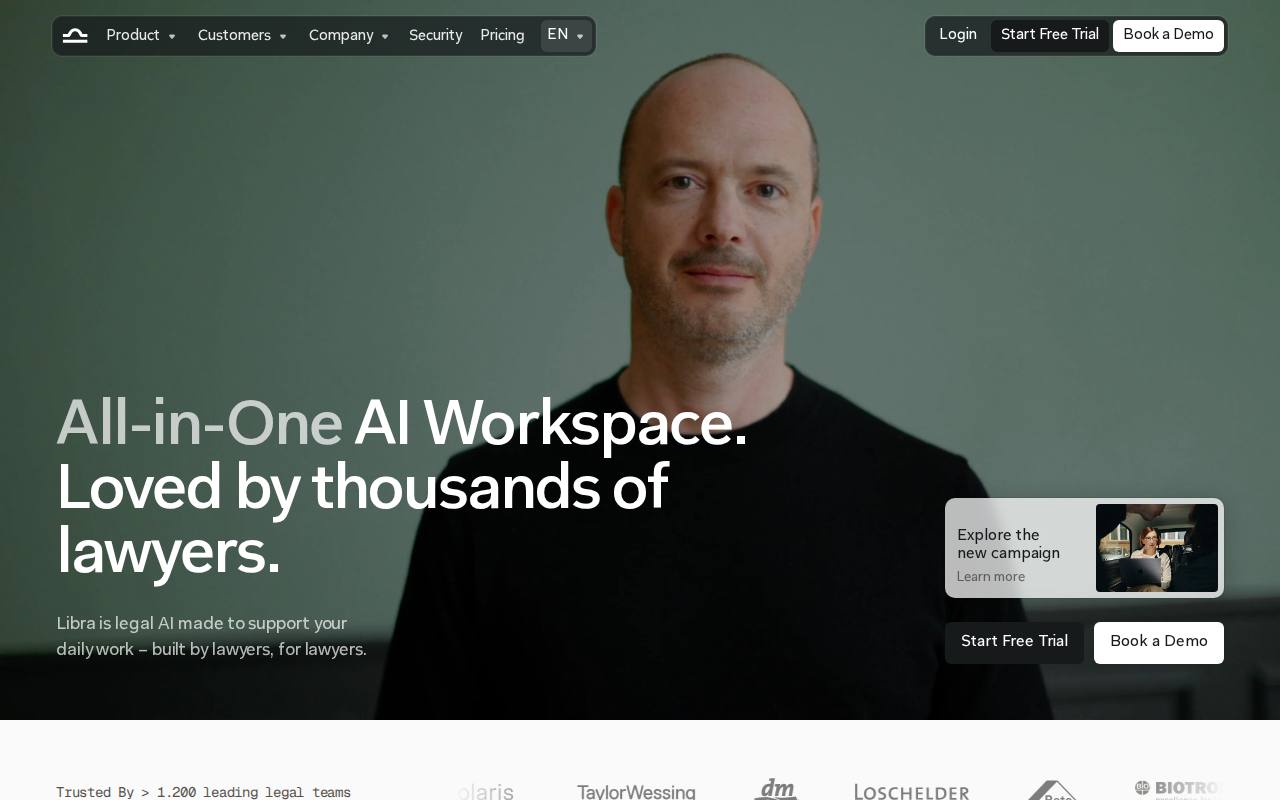
Libra
deAI workspace for legal professionals built by lawyers with EU data protection and German legal privilege built-in
- Data: EU
- GDPR-native
- EU-owned
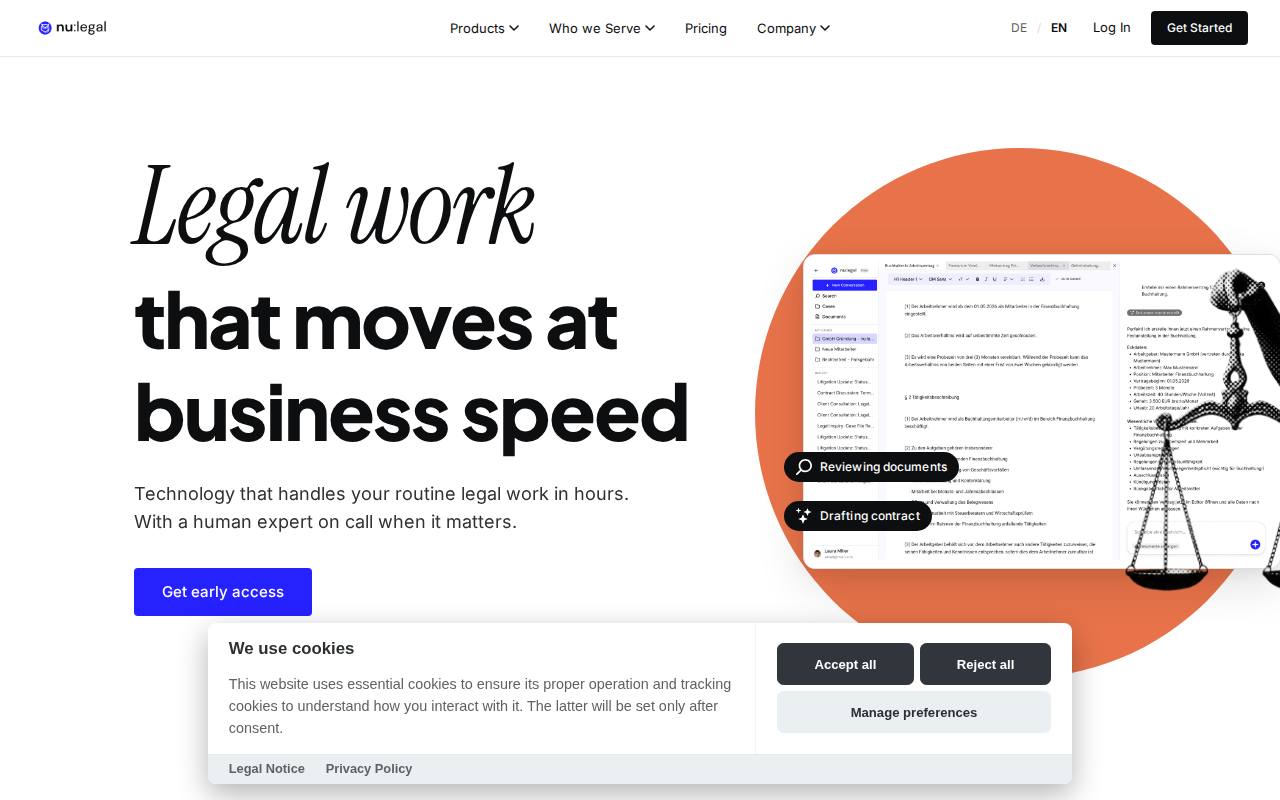
nu:legal
deAI-powered employment law and GDPR compliance platform built in Germany.
- Data: EU
- GDPR-native
- EU-owned
Our honest take
For European buyers seeking a general-purpose legal platform with document templates, contract management, and lawyer access, the strongest like-for-like EU alternatives are Lexly (Swedish-headquartered, EU-hosted, Freemium, with 200-plus templates, fixed monthly pricing, and multi-channel lawyer access) and Avokaado (Estonian-headquartered, EU-native, with self-hosting options and contract lifecycle automation suited to multi-geography teams). Organisations whose primary concern is contract review and lifecycle management at enterprise scale should evaluate Legora, Oneflow, or ContractBook — all EU-owned, ISO 27001 or SOC 2 certified, and operating exclusively on EU infrastructure. For HR and employment compliance specifically, Personio, Sympa, Huma, and Factorial address the operational HR needs that often sit alongside the document-generation use case Rocket Lawyer targets, while remaining fully within EU data boundaries.
Arbetslex is a narrower instrument than Rocket Lawyer and should be assessed honestly as such: it does not offer a document library, a lawyer network, business registration services, or multi-jurisdictional coverage. Where Arbetslex is the more appropriate choice is a specific, well-defined scenario — a Swedish employer or HR professional who needs AI-assisted analysis of Swedish employment law (LAS, MBL, collective agreements, co-determination obligations) and wants that analysis delivered within EU infrastructure under Swedish-law governance. Outside that scenario — for instance, a company operating across multiple EU member states, a legal team requiring broad contract templates, or an organisation wanting on-demand access to qualified lawyers — Rocket Lawyer's EU-native competitors such as Lexly or aLex will serve the buyer better. The honest conclusion is that Arbetslex replaces one narrow slice of what Rocket Lawyer offers, and only for Swedish employment law; it is not a substitute for the platform's full capability set.
Frequently asked questions
- Why look for European alternatives to Rocket Lawyer?
- Compare Rocket Lawyer with European alternatives by workflow, company ownership and documented data location. Check the current provider terms and hosting options before deciding which product fits your requirements.
- How many of these alternatives are EU-owned and GDPR-native?
- Of the 10 European alternatives listed for Rocket Lawyer, 9 are marked EU-owned and 9 are marked GDPR-native on LaunchRadar.
- Where do these alternatives store data?
- Listed data locations for European alternatives to Rocket Lawyer: Nordic, EU, Mixed. Check each product page for the latest residency details.
- What does LaunchRadar compare on these pages?
- We compare where each alternative is built, who owns it, GDPR-native design, self-hosting, open source and pricing — so you can pick a European option that fits your risk and workflow.
Related European alternatives
Browse related categories
What we compare
- Where the data is stored
- Who owns the company
- GDPR-native by design
- Self-hosting option
- Open source
- Pricing model