European alternatives to NovelAI
NovelAI is a US-incorporated (Delaware), CoreWeave-hosted AI platform combining anime image generation with long-form narrative and roleplay tools — a technically capable product whose infrastructure sits entirely outside European jurisdiction, raising material data-sovereignty questions for EU users who write under their own name or process any personally identifiable information in their story contexts.
NovelAI is operated by Anlatan LLC, a Delaware limited liability company, and its compute infrastructure runs on CoreWeave data centres located in the United States. This means that both the corporate entity and the physical servers are subject to the US CLOUD Act, under which federal authorities may compel disclosure of user data regardless of any contractual privacy commitments made to European subscribers. The Court of Justice of the European Union's Schrems II ruling (C-311/18) made plain that US surveillance law exposure cannot be remedied by contractual clauses alone; the EDPB's subsequent recommendations identify customer-controlled encryption keys retained within the EEA as the minimum technical measure capable of addressing this exposure — a safeguard NovelAI does not publicly offer. EU users engaging in personal or commercially sensitive creative work should weigh this structural risk before placing narrative content, character data, or any incidentally personal material on the platform.
Beyond the jurisdictional dimension, users commonly cite several operational friction points. NovelAI's Anlas credit system — governing image generation beyond the included monthly allowance — carries a learning curve that takes meaningful trial and error to internalise. The platform's AI amnesia problem, whereby character and plot consistency degrades across longer sessions without disciplined Lorebook and memory configuration, demands a level of prompt-engineering fluency that many narrative writers find burdensome. The Scroll tier ($15/month) is the entry point for the Erato 70B model and unlimited image generation; the Opus tier ($25/month) is required for the full Anlas allocation and early feature access. Billing passes through Chargebee with card-issuer or IP-location mismatch checks that have intermittently blocked EU subscribers. None of these concerns disqualify NovelAI for technically comfortable users, but they create a meaningful total cost — in time, money, and regulatory exposure — that alternative platforms may reduce.
The EU alternatives relevant to NovelAI's audience split across two distinct use cases: uncensored AI-assisted creative fiction and roleplay, and structured worldbuilding or interactive narrative tooling. NovelAI serves both simultaneously, which is part of its appeal; the question for an EU-resident user is whether any European tool covers enough of that combined surface area to justify a switch, or whether the combination of feature breadth and US jurisdiction is a trade-off they are willing to make.
Where each alternative is built, owned and hosted
| Product | Built in | Data location | EU-owned | Self-hostable | Open source | Best for | Pricing |
|---|---|---|---|---|---|---|---|
| AI Rollspel· by the founder | se | EU | ✓ | – | – | — | Freemium |
| Candy.aiUsers seeking immersive, interactive AI companion experiences with character customization | mt | Unknown | ✓ | – | – | SME | Freemium |
| FictionLabCreative writers and roleplay enthusiasts building narratives with uncensored AI characters. | pl | Unknown | ✓ | – | – | SME | Freemium |
| Inkle StudiosWriters and game developers building interactive narrative experiences | gb | Unknown | – | ✓ | ✓ | SME+Enterprise | Freemium |
| StoryZoneUsers seeking AI-powered interactive roleplay and branching narrative fiction experiences | de | Unknown | ✓ | – | – | SME | Freemium |
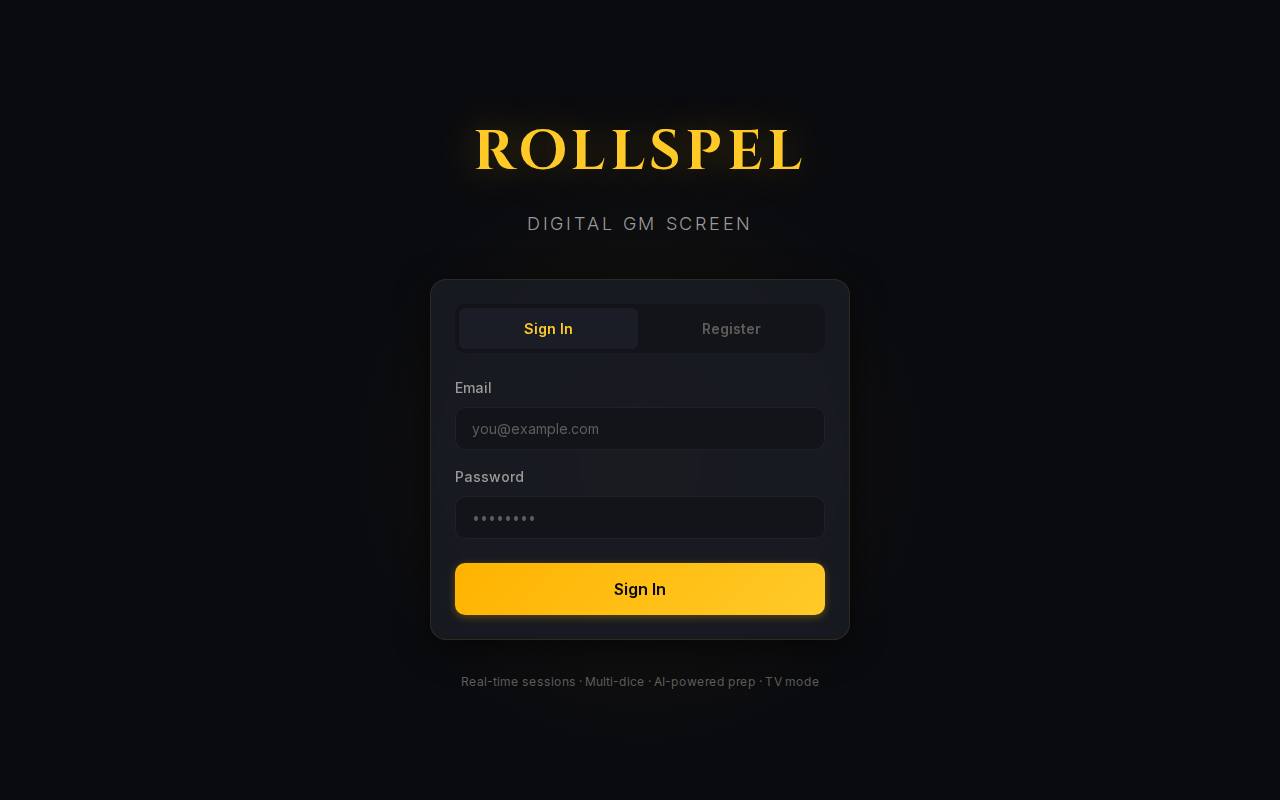
 AI Rollspel
seAI game master for tabletop roleplaying.
- Data: EU
- GDPR-native
- EU-owned
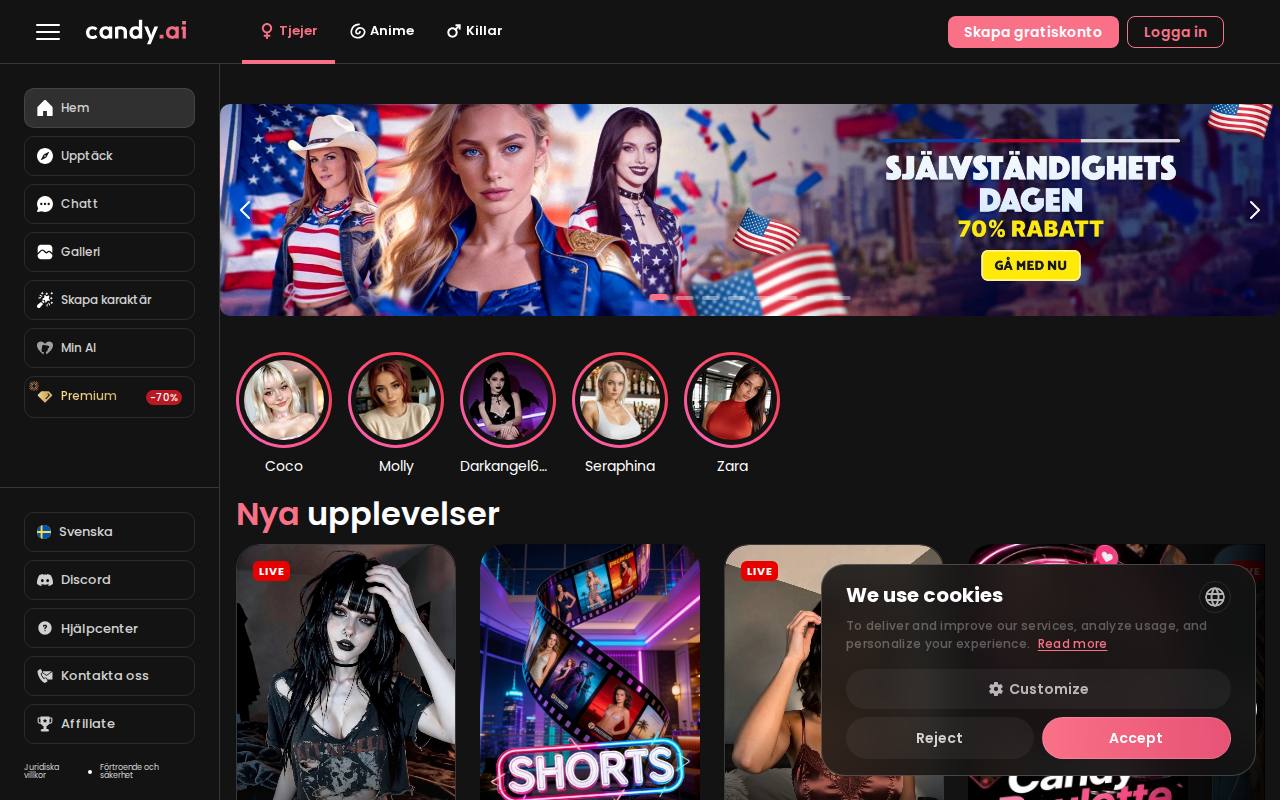
Candy.ai
mtEnd-to-end encrypted AI companion platform for roleplay and interactive storytelling
- GDPR-native
- EU-owned
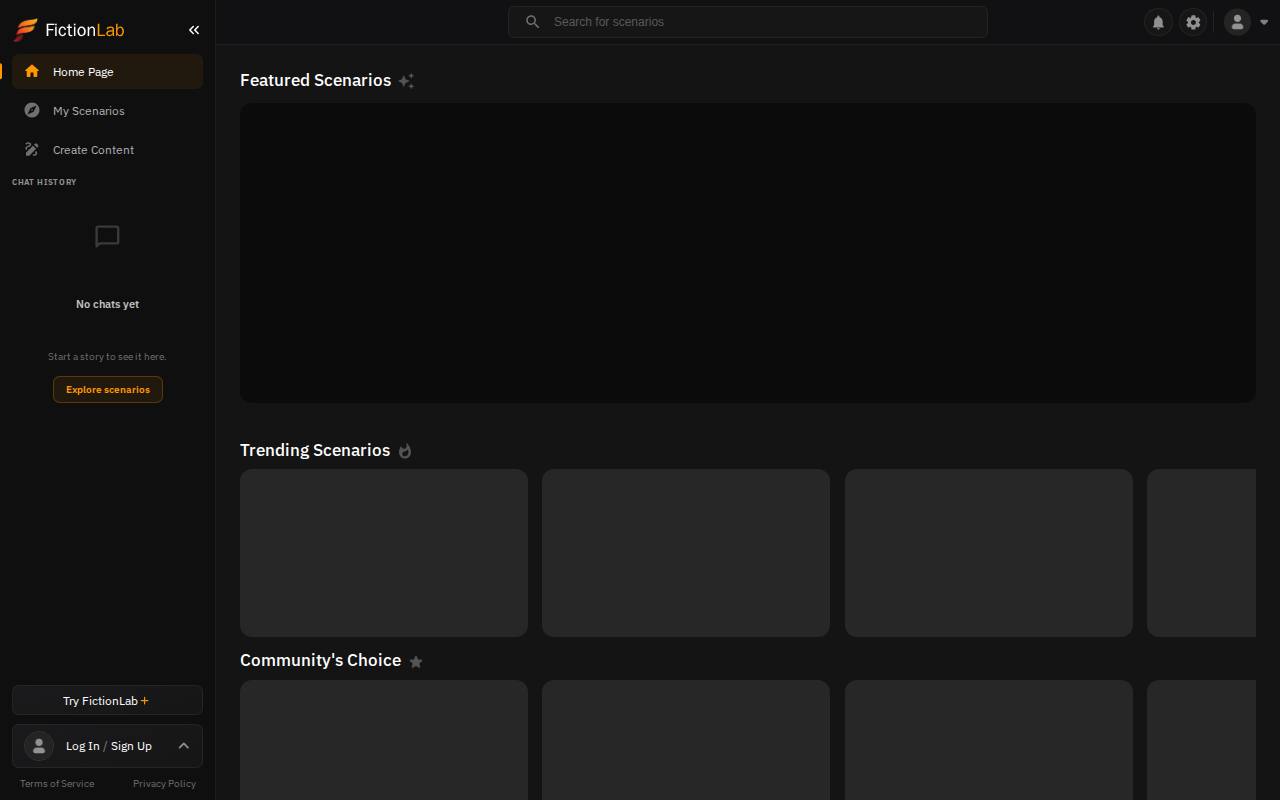
FictionLab
plFree, uncensored AI roleplay platform for collaborative interactive storytelling.
- EU-owned
Inkle Studios
gbOpen-source narrative engine and publishing platform for interactive fiction and story-driven games
- Self-hostable
- Open source
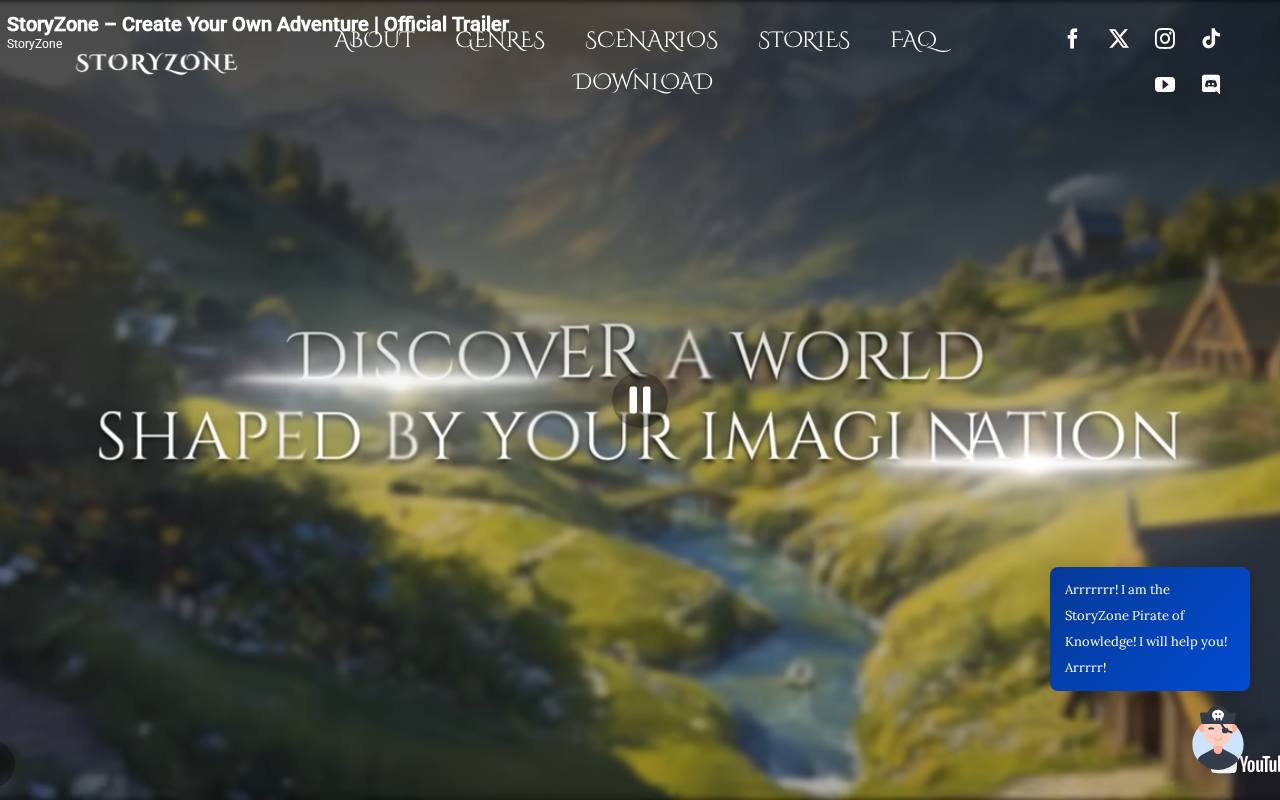
StoryZone
deAI-powered interactive storytelling platform combining roleplay, branching narratives, and personalized character creation
- EU-owned
Our honest take
For EU users whose primary interest is uncensored AI roleplay and interactive fiction with confirmed EU data residency, FictionLab (Poland, EU-owned) is the closest functional parallel: it offers an Ophelia 70B model, 128k context windows, editable messages, and no-paywall regeneration, with a freemium tier that is notably generous. FictionLab does not publicly publish its data-location or GDPR compliance stance, which is a limitation worth noting, but it is EU-owned and subject to EU legal jurisdiction — a structurally different risk profile than a Delaware LLC on US compute. StoryZone (Germany, EU-owned) addresses the interactive branching-narrative segment with a lower technical threshold and multi-platform availability, though it is lighter on long-form authoring depth. For users whose interest tips toward the worldbuilding and narrative structure side of NovelAI's offering rather than the AI conversation and image generation side, World Anvil (UK, GDPR-compliant) offers a substantially deeper toolkit of campaign management, interactive maps, and timeline tracking; it is not AI-first but serves the craft layer that NovelAI's Lorebook system only partially addresses. Candy.ai (Malta, GDPR-compliant, EU-owned) covers the AI companion and character roleplay surface with end-to-end encrypted conversations and a 7-day free trial, making it a viable option for users focused on character interaction rather than long-form narrative authoring.
AI Rollspel is EU-hosted and operated, which addresses the Schrems II and CLOUD Act exposure that is the central structural concern with NovelAI for European users. It is a credible option for EU residents who specifically want EU-hosted AI roleplay and interactive fiction and for whom data residency is a deciding factor. It should not be presented as a feature-for-feature replacement for NovelAI: NovelAI's image generation, the depth of its Lorebook system, its model selection at higher tiers, and its size of character and community resources all exceed what AI Rollspel currently offers. Users who rely on anime image generation, who require a large catalogue of community-created characters, or who need the uncensored content latitude that NovelAI's terms permit will find AI Rollspel a narrower tool. The honest framing is that AI Rollspel is one EU-hosted option in this space — appropriate for users to whom data sovereignty matters more than feature parity with a US-hosted incumbent.
Frequently asked questions
- Why look for European alternatives to NovelAI?
- Compare NovelAI with European alternatives by workflow, company ownership and documented data location. Check the current provider terms and hosting options before deciding which product fits your requirements.
- How many of these alternatives are EU-owned and GDPR-native?
- Of the 5 European alternatives listed for NovelAI, 4 are marked EU-owned and 2 are marked GDPR-native on LaunchRadar.
- Where do these alternatives store data?
- Listed data locations for European alternatives to NovelAI: EU, Unknown. Check each product page for the latest residency details.
- What does LaunchRadar compare on these pages?
- We compare where each alternative is built, who owns it, GDPR-native design, self-hosting, open source and pricing — so you can pick a European option that fits your risk and workflow.
Related European alternatives
Browse related categories
What we compare
- Where the data is stored
- Who owns the company
- GDPR-native by design
- Self-hosting option
- Open source
- Pricing model